

Key Takeaways
Why Homeowners Keep Forgetting the Same Tasks
Owning a home means managing dozens of systems simultaneously — HVAC, plumbing, roofing, electrical, and more. Most of these operate quietly in the background, which is precisely why maintenance slips. Problems rarely announce themselves until real damage has already occurred.
Research from the National Association of Home Builders and industry home inspection data consistently shows that deferred maintenance is one of the leading contributors to costly repairs. The pattern is predictable: a task gets postponed once, then becomes invisible, then becomes a crisis. Understanding which tasks fall into this cycle is the first step toward breaking it.
For a structured approach to scheduling these responsibilities throughout the year, see our seasonal home maintenance checklist built specifically for US homeowners.
Skipping HVAC filter replacements for months at a time.
Why it happens: Filters are out of sight, and the system keeps running even when the filter is clogged — so there's no obvious signal that anything is wrong.
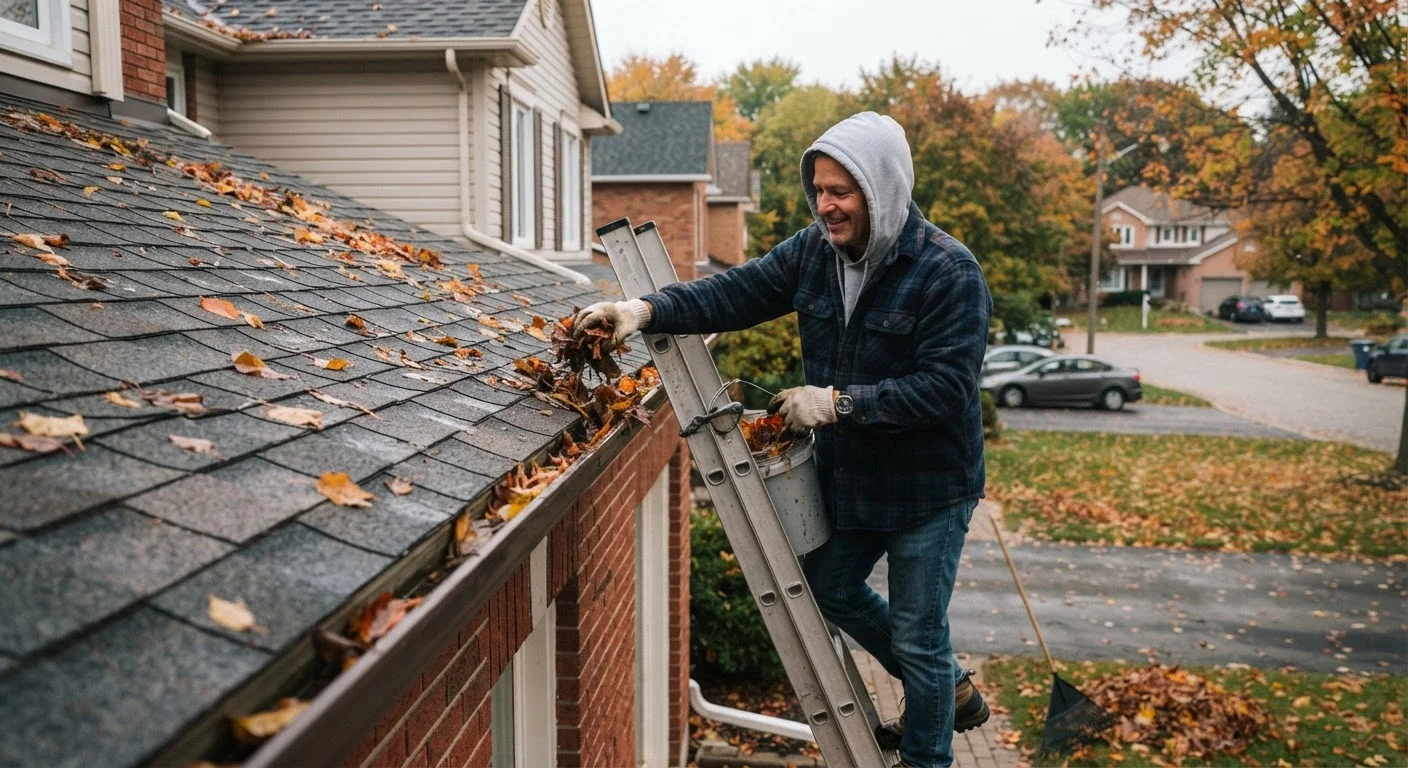
Allowing gutters to go uncleaned through fall and winter.
Why it happens: Gutters aren't at eye level, so debris buildup isn't obvious until water overflows or ice dams form in colder climates.
Ignoring cracked or missing caulk around windows, tubs, and exterior penetrations.
Why it happens: Caulk degrades gradually and the cracks are small, making them easy to dismiss as cosmetic rather than functional.
Never cleaning the dryer vent duct.
Why it happens: Most homeowners clean the lint trap regularly but don't realize that lint also accumulates in the duct running from the dryer to the exterior vent.
Not testing smoke and carbon monoxide detectors regularly.
Why it happens: Detectors are treated as permanent fixtures rather than devices requiring ongoing maintenance, and low-battery chirps get silenced rather than addressed.
Forgetting to flush the water heater tank annually.
Why it happens: Water heaters operate silently for years with no visible problems, making them easy to overlook until they fail — usually at the worst possible moment.
The Real Cost of Letting Small Tasks Go
Every overlooked maintenance item carries a compounding cost. A clogged gutter doesn't just overflow — it directs water against the fascia, into the soffit, and eventually into the wall cavity. What started as a $100 cleaning job can become a $3,000 rot repair. The same logic applies to a cracked caulk bead around a shower or a dirty dryer vent.
$21,000
Median cost of water damage repairs
According to industry estimates, water damage — much of it linked to deferred maintenance like gutter and caulk upkeep — is among the most expensive home repair categories.
2,900+
Home dryer fires reported annually
The U.S. Fire Administration reports that failure to clean dryer vents is the leading cause of home clothes dryer fires in the United States.
Homeowners who track their repair history often find a clear pattern: the most expensive jobs trace back to deferred routine maintenance. Documenting what you've done — and what's overdue — is a practical habit with real financial payoff. Our guide on keeping track of home improvement records explains how good documentation can also affect your home's resale value and tax basis.
Don't DIY Electrical, Gas, or Structural Repairs
Several maintenance-related repairs — such as addressing water heater gas connections, fixing electrical panels, or investigating foundation concerns — require a licensed contractor. Attempting these without proper training or permits can create safety hazards and may violate local building codes. Always verify what's required in your jurisdiction before starting any significant repair work.
When a neglected task has already caused visible damage, it's important to assess quickly. Our article on signs your home needs immediate attention covers warning signs that require urgent investigation, not a spot on next month's to-do list. And if you're weighing which repairs to tackle yourself, DIY repairs vs. jobs that need a licensed pro offers clear guidance on where the boundary lies.
This article is for general informational purposes only. For work involving electrical, gas, structural, or other regulated systems, consult a licensed professional and verify local permit and code requirements before proceeding.