

Key Takeaways
Why Homeowners Shouldn't Wait on Warning Signs
Most home disasters don't arrive without warning — they build slowly through signs that are easy to dismiss as cosmetic or minor. A hairline crack in drywall, a damp smell in the basement, a breaker that trips once or twice: individually, each seems manageable. Collectively, they can represent thousands of dollars in deferred damage.
According to the JCHS at Harvard University, US homeowners collectively spend over $400 billion annually on home improvements and repairs — a significant portion of which addresses problems that started small. Understanding which signs demand immediate action can protect both your investment and your household's safety. For a broader maintenance framework, see our seasonal home maintenance checklist to build a year-round inspection habit.
Horizontal or Widening Foundation Cracks
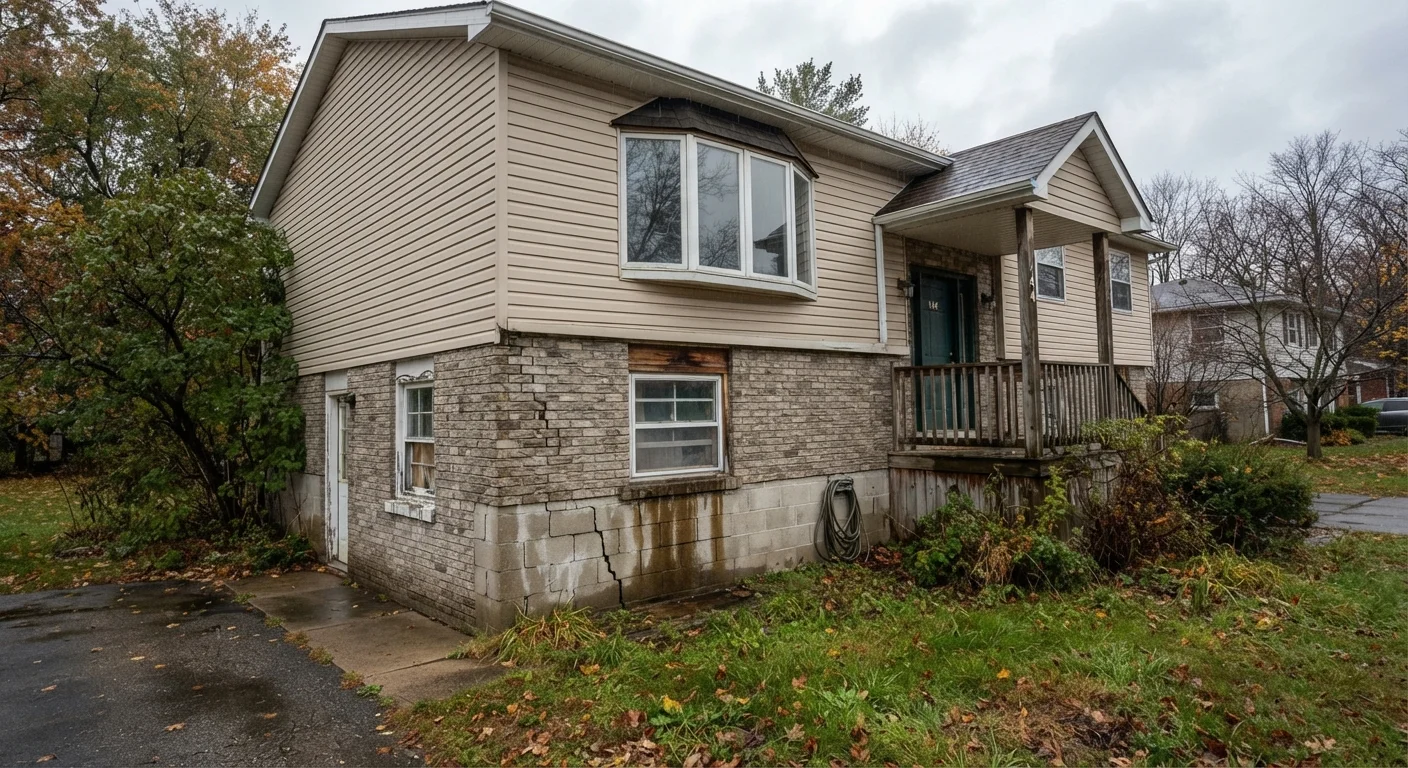
Not all foundation cracks are created equal. Thin vertical hairline cracks in poured concrete are common as a home settles and are usually low concern. Horizontal cracks, however, indicate lateral soil pressure pressing against foundation walls — a sign of potential structural compromise that can worsen rapidly, especially in freeze-thaw climates.
Cracks wider than approximately one-quarter inch, stair-step cracking in brick or block foundations, or cracks accompanied by bowing walls all warrant evaluation by a licensed structural engineer. Delaying this inspection risks water intrusion, further wall movement, and in severe cases, partial failure of the foundation system.
Horizontal foundation cracks signal lateral soil pressure — a structural issue that demands professional evaluation, not paint.
Water Stains on Ceilings or Interior Walls
A brown or yellow ring on your ceiling is rarely a relic of a one-time event. Staining typically means water is still finding a pathway — whether from a roof leak, a plumbing supply line, a failing flashing around a skylight, or condensation from an uninsulated duct. The stain you see is almost always smaller than the wet area above it.
Left unaddressed, persistent moisture leads to mold growth, rotted sheathing, and damaged insulation — repairs that quickly escalate into five-figure projects. Trace the moisture source, not just the stain. A licensed roofer or plumber can help identify the origin point when the source is unclear.
A ceiling stain is a symptom, not the problem — the moisture source above it is what requires immediate attention.
Flickering Lights or Frequently Tripping Breakers
Occasional flickers during a storm may reflect utility grid fluctuations. Persistent flickering in specific rooms, lights that dim when an appliance cycles on, or a breaker that trips repeatedly under normal load are different matters. These patterns can indicate overloaded circuits, loose or corroded wiring connections, or an undersized electrical panel.
The NFPA consistently identifies electrical failures and malfunctions as a leading cause of US home fires. A licensed electrician should evaluate any persistent electrical irregularity. Do not rely on simply resetting a breaker and moving on — that breaker is signaling overload or a fault condition.
Repeatedly tripping breakers aren't a nuisance — they're a circuit signaling that something is electrically wrong.
Persistent Musty Odors in Lower Levels
A musty or earthy smell in a basement, crawl space, or lower-level room is a reliable indicator of elevated moisture and frequently of active mold or mildew growth. Mold can begin colonizing porous materials — wood, drywall, insulation — within 24 to 48 hours of sustained moisture exposure, according to the EPA.
Identifying and eliminating the moisture source (groundwater intrusion, condensation, inadequate ventilation) must come before any remediation effort. Painting over or masking the odor without addressing root cause allows growth to continue behind finished surfaces. Depending on the extent of colonization, professional mold remediation may be required.
A persistent musty smell means moisture is winning — mold behind finished surfaces may already be extensive.
Sagging Floors or Doors and Windows That Won't Close
When interior doors begin sticking, swinging open on their own, or failing to latch properly — especially in multiple locations — it often reflects structural movement rather than seasonal wood swelling. Similarly, soft spots or visible sag in flooring can indicate deteriorating subfloor materials, rotted joists from moisture, or damage caused by wood-destroying insects such as termites or carpenter ants.
A general contractor or structural engineer can assess whether the cause is settlement, moisture damage, or pest activity. All three require different responses, and none should be left to worsen. If you suspect insect damage, a licensed pest inspector should be part of the evaluation team.
Doors that won't close in multiple rooms often point to structural movement, not just humidity — investigate promptly.
Sudden Spikes in Utility Bills Without Explanation
An unexpected and sustained increase in water, gas, or electricity bills — when usage habits haven't changed — frequently indicates a system problem. A sharp rise in water bills may reflect a hidden leak in supply lines, a running toilet with a failed flapper, or in serious cases, a slab leak beneath a concrete foundation. Rising gas bills may point to heating equipment inefficiency or, more urgently, a slow leak.
If you suspect a gas leak at any point — particularly if accompanied by a sulfur or rotten-egg odor — evacuate the home and contact your utility provider and local emergency services immediately. Do not attempt to locate or repair gas leaks yourself.
An unexplained spike in your water bill may mean you have a hidden leak actively damaging your home's structure.
Taking Action Before Damage Escalates
None of these warning signs should be treated as a permanent to-do list item. When in doubt, consulting a licensed contractor, structural engineer, or licensed electrician — depending on the system involved — is always the responsible path. Many local jurisdictions also require permits for certain repair work; verify requirements with your local building department before starting any significant fix.
Document Everything You Find
When you spot a potential warning sign, photograph it with a timestamp and note any changes over subsequent weeks. This documentation helps contractors assess the rate of change, supports insurance claims if damage qualifies, and gives you a baseline for comparison after repairs. A simple dated photo log stored in a cloud folder costs nothing and can be valuable if a dispute or claim arises later.
If you're assessing a property you don't yet own, the inspection process is your best defense. Learn more about what a home inspection covers and why skipping it is risky before signing on the dotted line. Homeownership is an ongoing responsibility — catching problems early is the single most cost-effective thing most owners can do.