

Key Takeaways
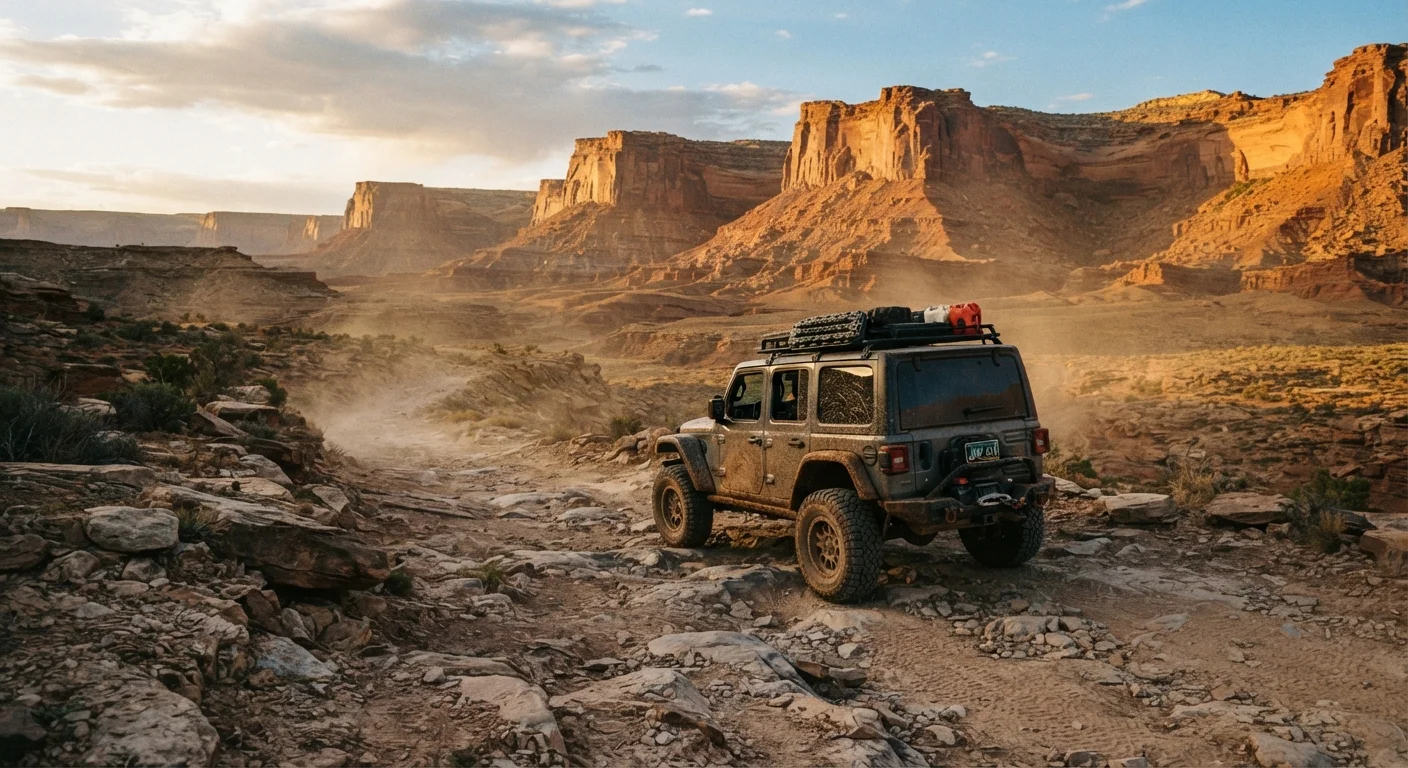
Class-leading off-road capability out of the box
Solid axles, high ground clearance, low-range transfer cases, and available locking differentials give the Wrangler genuine trail credentials that most SUVs cannot replicate without significant modification.
Exceptionally strong resale value
The Wrangler consistently ranks among the highest-retaining vehicles in the US market, meaning owners recoup a larger share of their purchase price compared to most competing SUVs.
Unique open-air driving experience
Removable doors, fold-down windshield, and detachable roof panels create a driving experience unavailable in any other mainstream US vehicle at a comparable price point.
Capable in severe winter and flood conditions
High ground clearance and four-wheel-drive systems designed for low-traction environments make the Wrangler genuinely useful in regions with heavy snow, flooding, or unpaved roads.
Large aftermarket and modification ecosystem
Decades of popularity have produced one of the deepest aftermarket parts ecosystems in the industry, allowing owners to customize capability, style, and comfort to a degree rare in other segments.
Below-average fuel economy for its class
Most Wrangler configurations return city fuel economy in the mid-to-upper teens (mpg), significantly below comparably sized crossovers, which translates to meaningfully higher annual fuel costs for daily drivers.
Stiff ride and elevated road and wind noise
The body-on-frame construction and solid axles that enable off-road performance produce a noticeably rougher, noisier on-road ride compared to unibody crossovers in the same price range.
Limited cargo space relative to size
The Wrangler's boxy body and spare-tire placement result in less usable cargo volume than many crossovers that appear similar in exterior footprint.
Aerodynamics create highway instability in wind
The flat, upright windshield and boxy profile make the Wrangler noticeably susceptible to crosswinds on open highways, requiring more active steering correction than aerodynamically shaped vehicles.
Higher insurance and maintenance costs are common
The Wrangler's off-road-oriented components, specialty tires, and high theft-appeal in some regions can contribute to insurance premiums and maintenance costs above average for its segment.
Our Verdict
The Jeep Wrangler is a purpose-built off-road machine that has been adapted for street use, not the other way around. Its strengths on trails, sand, and snow are genuine, but those same design choices create real friction for everyday drivers. Anyone who will use it for what it was built for will find it deeply rewarding; those expecting a comfortable daily commuter may find the compromises hard to justify.
Best suited to outdoor enthusiasts, off-road hobbyists, or drivers in regions with severe weather who can live with a rougher on-road experience and higher fuel costs.
What the Wrangler Actually Is
The Jeep Wrangler occupies a category largely its own in the US market: a body-on-frame, solid-axle SUV descended directly from military utility vehicles. Unlike crossovers that merely look rugged, the Wrangler is engineered from the ground up for serious off-pavement use. It comes in two-door and four-door (Unlimited) configurations, with available four-wheel-drive systems ranging from part-time setups to the trail-focused Command-Trac and Rock-Trac systems found on higher trims.
Understanding what the Wrangler is designed to do matters before weighing its trade-offs. If you're comparing it to a mainstream SUV or crossover, you're not comparing like-for-like. For context on how different vehicle formats affect daily life, see our guide on how each body style shapes your daily drive.
Where the Wrangler Genuinely Excels
The Wrangler's advantages are concentrated and meaningful for the right buyer.
Class-leading off-road capability out of the box
Solid axles, high ground clearance, low-range transfer cases, and available locking differentials give the Wrangler genuine trail credentials that most SUVs cannot replicate without significant modification.
Exceptionally strong resale value
The Wrangler consistently ranks among the highest-retaining vehicles in the US market, meaning owners recoup a larger share of their purchase price compared to most competing SUVs.
Unique open-air driving experience
Removable doors, fold-down windshield, and detachable roof panels create a driving experience unavailable in any other mainstream US vehicle at a comparable price point.
Capable in severe winter and flood conditions
High ground clearance and four-wheel-drive systems designed for low-traction environments make the Wrangler genuinely useful in regions with heavy snow, flooding, or unpaved roads.
Large aftermarket and modification ecosystem
Decades of popularity have produced one of the deepest aftermarket parts ecosystems in the industry, allowing owners to customize capability, style, and comfort to a degree rare in other segments.
70%+
Resale value retained at three years
Industry analysts have consistently placed the Wrangler among the top-retaining vehicles in the US market, with some trim configurations holding over 70% of original value at the three-year mark.
~17 mpg
Typical city fuel economy
EPA estimates for common Wrangler four-door configurations with the standard V6 engine reflect city figures well below the mid-20s typical of comparable crossover SUVs.
Beyond trail performance, the Wrangler holds its value exceptionally well compared to most vehicles. Drivers in snow-heavy states or rural areas also benefit from its high ground clearance and low-range gearing on unpaved or slippery roads-capabilities that go well beyond what most AWD crossovers deliver in practice.
The Real Compromises of Daily Wrangler Ownership
The same design decisions that make a Wrangler capable off-road create measurable friction as a daily vehicle.
Below-average fuel economy for its class
Most Wrangler configurations return city fuel economy in the mid-to-upper teens (mpg), significantly below comparably sized crossovers, which translates to meaningfully higher annual fuel costs for daily drivers.
Stiff ride and elevated road and wind noise
The body-on-frame construction and solid axles that enable off-road performance produce a noticeably rougher, noisier on-road ride compared to unibody crossovers in the same price range.
Limited cargo space relative to size
The Wrangler's boxy body and spare-tire placement result in less usable cargo volume than many crossovers that appear similar in exterior footprint.
Aerodynamics create highway instability in wind
The flat, upright windshield and boxy profile make the Wrangler noticeably susceptible to crosswinds on open highways, requiring more active steering correction than aerodynamically shaped vehicles.
Higher insurance and maintenance costs are common
The Wrangler's off-road-oriented components, specialty tires, and high theft-appeal in some regions can contribute to insurance premiums and maintenance costs above average for its segment.
On-Road Noise Is a Known Trade-Off
Wind and road noise in the Wrangler's cabin is notably higher than in unibody SUVs at highway speeds. This is a direct result of the removable-top design, flat windshield, and body-on-frame construction-not a defect. Buyers upgrading from a conventional crossover should spend time on a highway test drive before purchasing to calibrate expectations.
Fuel costs are a consistent complaint. Most Wrangler configurations return fuel economy figures in the mid-to-upper teens in city driving-notably below comparably sized crossovers. For households weighing whether a Wrangler can serve as a sole vehicle, our article on owning one car vs. two is worth reading before deciding.
The Open-Air Experience: Feature or Inconvenience?
One of the Wrangler's most distinctive traits is its removable doors, fold-down windshield, and detachable roof panels. For weekend adventurers and warm-climate drivers, this is a genuine lifestyle draw that no other mainstream vehicle offers at this price point.
In practice, though, removing and storing doors and roof sections requires time, physical effort, and a safe storage place. Driving without doors is legal in most US states but changes the vehicle's wind and road noise profile significantly. Leaving the top off overnight means exposure to weather-a door-less Wrangler caught in an unexpected storm will have a soaked interior.
Before any extended trip in a Wrangler, particularly one with open-air configurations, it's worth running a thorough pre-departure check. Our pre-trip vehicle safety checklist covers tires, lights, and fluids to verify before setting out.
Is the Wrangler Right for You?
Honest self-assessment matters more here than with most vehicles. If you trail-ride regularly, live somewhere with serious winters, or simply value the Wrangler's open-air character, the compromises are reasonable and well-understood by owners who stick with the nameplate for years.
If your driving is predominantly highway commuting, urban parking, and family errands, the Wrangler's fuel costs, ride stiffness, and cargo limitations will likely feel like constant friction rather than acceptable trade-offs. In that case, comparing it honestly against other formats-including what families typically weigh when asking questions before committing to a minivan-can sharpen the decision. The Wrangler rewards buyers who buy it for what it actually does, not for what it looks like it might do.