

Key Takeaways
Our Verdict
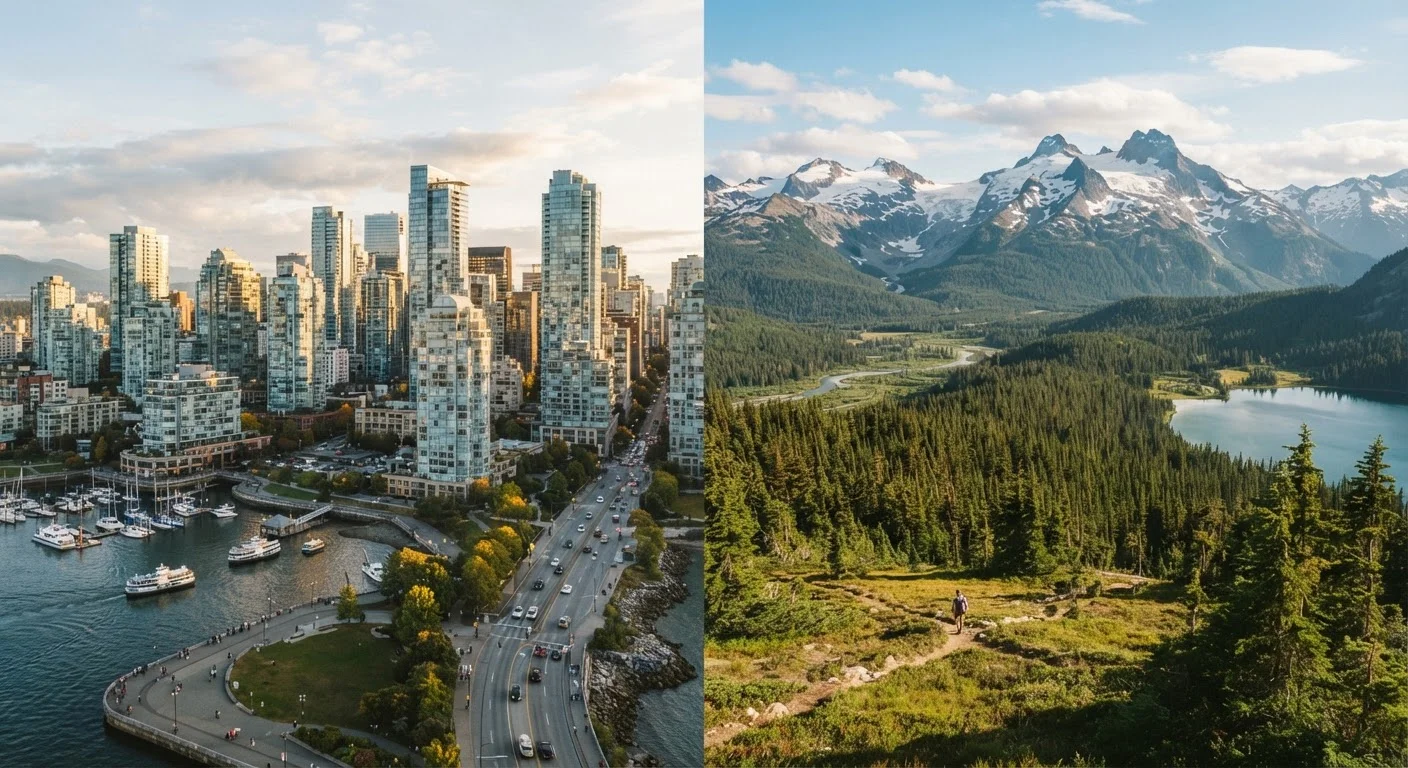
Neither vacation style is universally superior — the right choice depends on what you genuinely need from time away. City breaks deliver density, convenience, and cultural stimulation in a short window. Nature escapes offer space, physical engagement, and the mental reset that comes from leaving built environments behind. For many travelers, the most satisfying trips combine both.
| Best for | Recommended |
|---|---|
| Short trips with limited planning time | City Break |
| Travelers seeking solitude and physical activity | Nature Escape |
| First-time visitors wanting cultural immersion | City Break |
| Those prioritizing mental restoration over stimulation | Nature Escape |
What Each Vacation Style Actually Delivers
A city break concentrates experience. Within a few walkable miles, travelers typically access world-class museums, diverse restaurants, live music, neighborhoods with distinct characters, and the spontaneous energy of street life. US cities like New Orleans, Chicago, Portland, and Washington D.C. are dense with things to do — which is either their appeal or their drawback depending on your temperament.
A nature escape, by contrast, trades density for scale. Whether you're heading to the Smoky Mountains, the Sonoran Desert, Glacier country, or the Cascade Range, the defining feature is space — physical and psychological. Activities tend to be active: hiking, kayaking, wildlife watching, stargazing. The rewards accumulate slowly rather than arriving all at once. For travelers who want genuine disconnection, nature trips are hard to match.
Matching destination types to your preferences is a useful starting point if you're still unsure where your instincts fall.
| City Break | Nature Escape | |
|---|---|---|
| Ideal trip length | 2–4 days | 4–7+ days |
| Physical demand | Low to moderate | Moderate to high |
| Planning complexity | Moderate | Higher (permits, gear, logistics) |
| Accessibility for all mobility levels | Generally high | Variable, often limited |
| Primary reward | Cultural stimulation | Mental restoration and solitude |
| Connectivity and convenience | High | Low to none |
| Best for spontaneous travel | Yes | Less so |
Practical Factors That Should Shape Your Decision
Trip length matters considerably. City breaks are highly efficient — a long weekend in Philadelphia or Austin can feel complete. Nature escapes often reward longer stays; driving to a trailhead, acclimating to altitude, and actually finding solitude all take time. A two-night camping trip in Yosemite during peak season may feel rushed and crowded rather than restorative.
Physical fitness and mobility affect the nature escape equation more directly. Many of the most scenic wilderness areas require moderate to strenuous hiking to access. Cities, by comparison, offer far more flexibility for travelers with mobility considerations — museums, tours, and good restaurants are generally accessible.
Budget is more nuanced than it first appears. Urban hotels in major cities can be expensive, but nature trips carry hidden costs: gear, park fees, campsite reservations (which require planning well in advance for popular parks), and transportation to remote areas. Strategies for stretching your travel budget apply differently to each style.
Start With How You Want to Feel at the End
Rather than choosing a destination first, try working backward from the outcome. Do you want to return home feeling stimulated and culturally enriched, or genuinely rested and physically tired in a good way? That distinction often points clearly toward one style over the other. If you want both, plan the nature portion at the end of the trip so you finish relaxed rather than overstimulated.
The Case for Combining Both
Many compelling US destinations occupy the space between these two poles. The American Southwest is a strong example: cities like Phoenix, Tucson, and Albuquerque offer genuine urban infrastructure alongside immediate access to remarkable desert and canyon landscapes. The same logic applies to Denver and the Rockies, Seattle and the Olympic Peninsula, or Asheville and the surrounding Blue Ridge.
Structuring a trip that begins in a city and transitions into wilderness — or vice versa — gives travelers cultural context before immersion in landscape, or decompression in nature before re-engaging with urban energy. A well-built itinerary can hold both without feeling fragmented.
For travelers considering a fundamentally different approach, cruise itineraries offer another way to sample multiple environments — coastal cities and natural landscapes — within a single trip framework. And if you're still weighing how to get to your destination in the first place, see road trip vs. flying for a practical side-by-side comparison.
Ultimately, the most useful question isn't which style is objectively better — it's what you genuinely need from this particular trip at this particular moment.