

What Is Shoulder Season and Why Does It Matter?
Shoulder season refers to the travel periods that fall between a destination's peak tourist months and its off-season lows. In practical terms, it typically means thinner crowds, more manageable logistics, and accommodation rates that haven't yet climbed to their highest points — though none of these outcomes are guaranteed.
For US travelers, understanding shoulder season is especially useful because the country spans dramatically different climates. A shoulder window in coastal Maine bears no resemblance to one along the Gulf Coast. Timing a trip with regional conditions in mind is a core element of thoughtful planning — see our guide to building a well-structured itinerary for how this fits into the broader trip-planning process.
Region-by-Region Shoulder Season Windows
Each US region has its own rhythm. The following breakdown identifies when shoulder season generally falls and what travelers can expect during those windows.
Northeast & New England
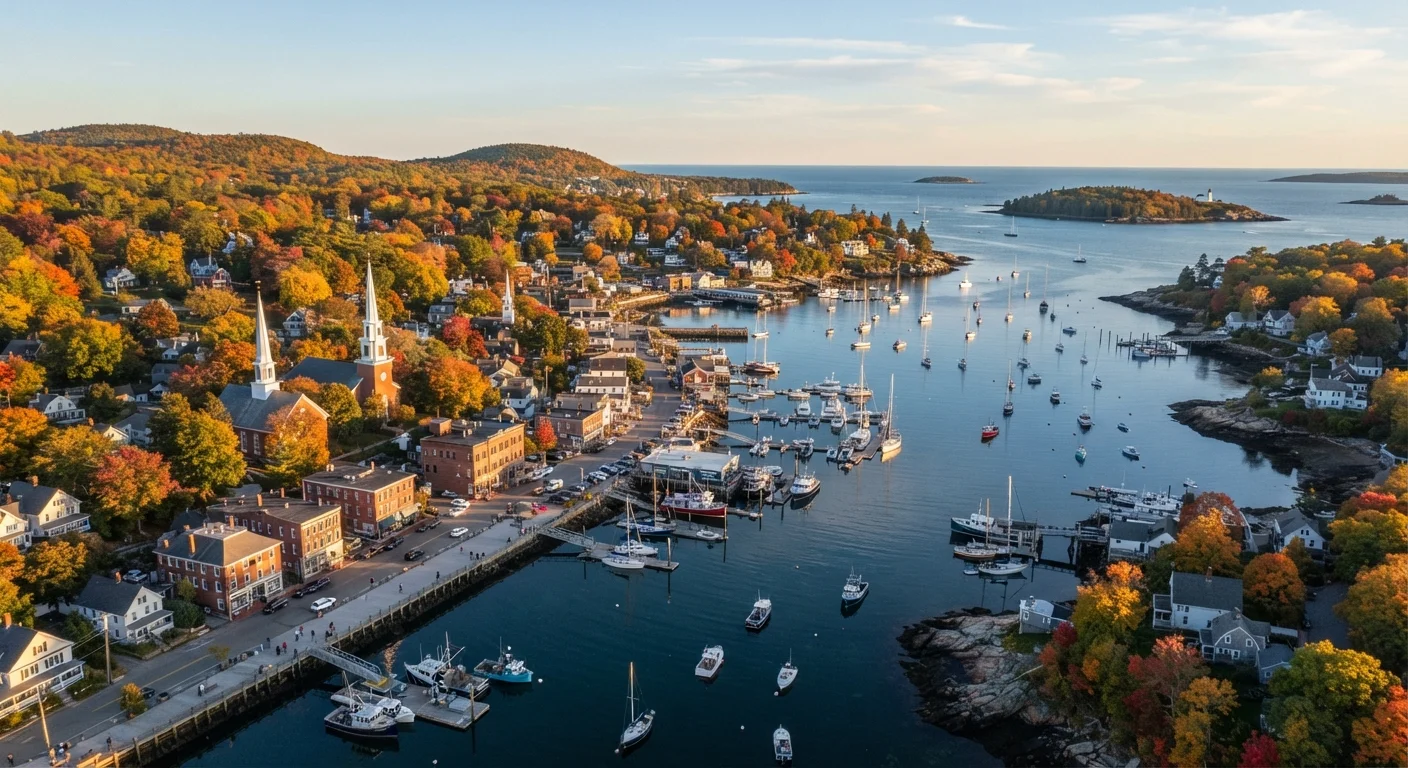
Shoulder seasons: Late April–May and mid-September–October. Spring offers blooming landscapes and fewer crowds before summer beach traffic arrives. Fall foliage season (late September through October) draws visitors but remains far less congested than peak summer weeks in coastal resort towns.
Southeast & Mid-Atlantic
Shoulder seasons: March–April and October–November. Cities like Washington, D.C., Savannah, and Charleston are most comfortable outside of humid summer months. Spring cherry blossoms in D.C. attract large crowds, so late April often offers a calmer entry point.
Gulf South (Florida, Louisiana, Texas Coast)
Shoulder seasons: November–December and March (pre-spring break). Florida's shoulder window is narrow — summers are hot and humid, winters are peak season for northern visitors. Late fall can offer a genuine lull before holiday travel picks up.
Mountain West & Rockies
Shoulder seasons: Late May–June and September–early October. The high-altitude parks — Yellowstone, Grand Teton, Rocky Mountain — draw heavy summer traffic. Visiting just before Memorial Day or after Labor Day typically means shorter entry lines and more available lodging.
Pacific Coast (California, Oregon, Washington)
Shoulder seasons: April–May and October–November. Northern California and the Pacific Northwest are drier and less crowded in late spring. Southern California's shoulder is less pronounced, but October often brings warm, clear weather with reduced tourist volume compared to summer.
Southwest & Desert States
Shoulder seasons: March–April and October–November. The desert Southwest — including Arizona, New Mexico, and Utah's canyon country — is best visited when temperatures are moderate. Summer heat can be extreme and genuinely hazardous; shoulder season here is arguably the most important planning consideration of any US region.
Shoulder season
The travel period between a destination's peak tourist season and its off-season. It often brings reduced visitor volume compared to peak months, though conditions vary by region and year.
Peak season
The period of highest tourist activity at a destination, typically driven by favorable weather, school calendars, or major events. Demand for lodging and transport is usually at its highest.
Off-season
The period of lowest tourist activity, often due to unfavorable weather or limited services. Some destinations partially or fully close during this window.
High-altitude park
A national or state park situated at significant elevation, such as those in the Rocky Mountains. These parks have compressed visitor seasons due to snow and road closures at lower and higher ends of the year.
Planning Around Shoulder Season
Shoulder season timing pairs naturally with budget-conscious travel strategies. Flexible travel dates, a willingness to book mid-week, and choosing regional alternatives to headline destinations can all extend the value of a shoulder-season window. Our strategies for budget US travel article covers these approaches in detail.
Weather variability is the primary trade-off. A late-April trip to New England may encounter lingering cold; an October visit to the Pacific Northwest may bring rain. Packing for these conditions without overpacking is its own challenge — our guide to packing for varied US climates offers practical guidance. For destination inspiration across all regions, browse our destination guides.
Conditions Change — Verify Before You Go
Shoulder season windows described here reflect general historical patterns and are not guarantees of specific weather, pricing, or crowd levels. Road access to national parks, ferry schedules, and seasonal business hours can all vary. Always verify current conditions with official park services, state tourism offices, and your accommodation provider before finalizing travel plans.