

Key Takeaways
Summary
22 items · 30–60 minutes to review and action
Why Alaska Demands a Different Kind of Planning
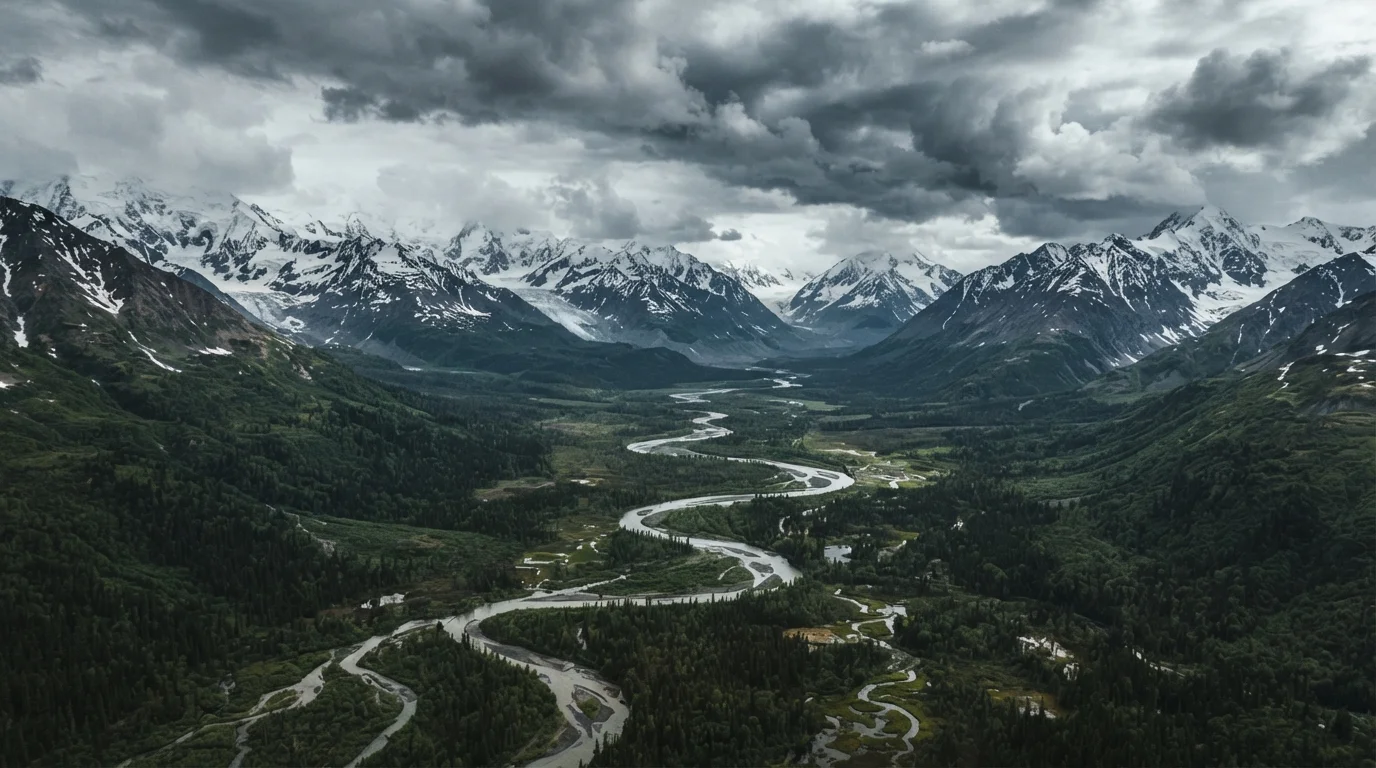
Alaska consistently surprises travelers — not just with its beauty, but with how thoroughly it defies standard US trip-planning assumptions. There are no interstate highways connecting most of the state. Flights between regional hubs can cost more than a transcontinental ticket. Cell coverage disappears outside of a handful of cities. And the weather can shift from sun to sleet within hours, regardless of the calendar.
Whether you're eyeing Denali, the Kenai Peninsula, the Inside Passage, or the remote tundra of the Brooks Range, the checklist below addresses the logistical gaps that catch even experienced travelers off guard. Use it alongside our guide to building a well-structured itinerary to make sure your Alaska plan holds up under pressure.
Getting There and Moving Around
Accommodation and Booking Windows
Weather, Gear, and Safety Preparation
Permits, Regulations, and Entry Requirements
Connectivity and Communication
Tools and Resources to Have Before You Go
Alaska travel involves more moving parts than a typical domestic trip. The tools below aren't just convenient — several are genuinely necessary for safe and functional travel in remote areas.
Alaska Marine Highway System
The state-operated ferry network connecting coastal and island communities that have no road access — essential for southeast Alaska travel.
Recreation.gov
Used to reserve National Park Service and US Forest Service permits, public-use cabins, and campsite bookings across Alaska.
Satellite Communicator (e.g., PLB or two-way device)
Provides emergency SOS capability and two-way messaging in areas with no cellular coverage — critical for backcountry and remote travel.
Offline Mapping App
Pre-downloaded topographic maps allow reliable navigation when internet and cellular data are unavailable in wilderness areas.
Bear Spray
A proven deterrent for bear encounters; required safety equipment for hiking and backcountry travel in bear habitat across Alaska.
Alaska Department of Fish and Game Website
Official source for fishing and hunting licenses, current regulations, and wildlife safety advisories relevant to your travel region.
If you're considering Alaska as a cruise destination, our overview of cruise itinerary types covers Inside Passage routes and what distinguishes them from land-based visits. For travelers with mobility considerations, accessible travel planning in the US is especially relevant — Alaska's terrain and infrastructure gaps present distinct challenges.
Do Not Rely on Cell Coverage Outside Major Cities
Cellular service in Alaska is largely confined to Anchorage, Fairbanks, Juneau, and a limited number of smaller towns. Most wilderness areas, highways, and even some ferry routes have no signal at all. Download all maps, documents, and reservations before you leave a connected area, and carry a satellite communication device if you plan to venture beyond cell range.
Weather Can Ground Your Travel Plans — Literally
Bush plane and float plane routes are weather-dependent and cancellations are common, sometimes lasting multiple days. If a delayed flight will cause you to miss a connecting departure or a non-refundable tour, you need contingency plans — and flexible bookings where possible. Do not build itineraries that assume every flight will run on schedule.
Common Oversights and How to Avoid Them
Most Alaska trip problems are foreseeable. Travelers underestimate transit time between regions, assume lodging will be available without advance booking, or pack for mild summer conditions without accounting for coastal cold and rain. Others arrive without knowing that some national park areas require backcountry permits that are issued months in advance.
Budget planning deserves special attention. Alaska is an expensive destination — fuel surcharges, float plane charters, guided bear-viewing tours, and remote lodge rates add up quickly. Our strategies for US budget travel can help you identify where flexibility actually saves money versus where cutting corners creates real problems.
Finally, leave room for the unexpected. Alaska's most memorable moments — an unexpected whale breach, a clear night for the aurora, a surprise glacier calving event — don't appear on itineraries. Our piece on balancing structure with spontaneity applies particularly well here. Return to the travel planning hub for additional tools across every stage of your trip.
Medical Evacuation Costs Can Be Catastrophic Without Coverage
In remote parts of Alaska, the nearest hospital may be a charter flight away. Medical evacuation costs can reach tens of thousands of dollars and are typically not covered by standard health insurance or basic travel insurance. Before departing, verify that your policy explicitly covers emergency medical evacuation from wilderness areas — and consider supplemental coverage if it does not. This is general information only; consult your insurer and a licensed professional for advice specific to your situation.