

Key Takeaways
Social Engineering
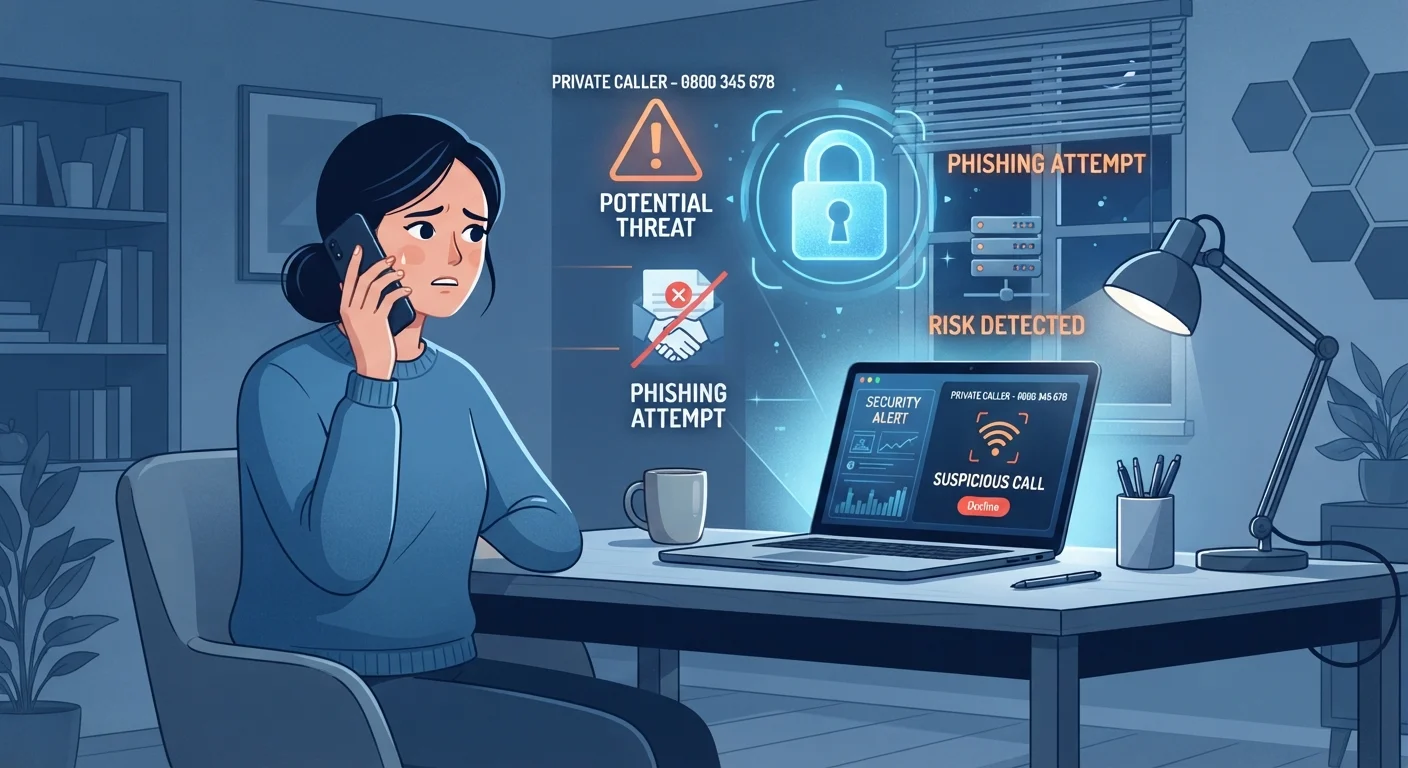
Social engineering is a category of cyberattack in which criminals manipulate people — rather than exploiting software — into revealing sensitive information or granting unauthorized access. Attackers rely on psychological tactics like urgency, fear, authority, and trust to deceive their targets. The goal is to get a person to take an action they wouldn't otherwise take, such as sharing a password or clicking a malicious link.
In security contexts, social engineering is often the first stage of a multi-step attack chain, used to gain initial access before deploying malware or escalating privileges within a network.
Why Attackers Target People, Not Just Systems
Modern software is increasingly hardened against direct technical attacks. Firewalls, encryption, and automated patching have raised the bar for breaking into systems through code alone. But humans — governed by instinct, habit, and emotion — remain a reliable entry point. Social engineers understand this and design attacks around it.
The most technically sophisticated network in the world can be compromised by a single employee who is tricked into entering their login credentials on a fake website. This is why social engineering sits at the center of so many high-profile breaches. It's often the path of least resistance.
For a broader grounding in digital security fundamentals, our beginner's guide to online security covers the essential habits every US internet user should know.
74%
Of breaches involve a human element
According to Verizon's 2023 Data Breach Investigations Report, nearly three-quarters of all breaches involved people — through error, stolen credentials, or social engineering.
~3.4B
Phishing emails sent daily
Security researchers estimate billions of phishing emails are sent each day globally, making it the single most common delivery mechanism for social engineering attacks.
The Psychology Behind the Manipulation
Social engineering works because it exploits normal human responses — not flaws in character. Attackers deliberately trigger specific psychological states to short-circuit careful thinking:
- Urgency and fear: Messages claiming your account will be locked or a package delivery failed push people to act before thinking critically.
- Authority: Impersonating the IRS, a bank, or an IT department triggers automatic compliance in many people.
- Reciprocity: Offering something of apparent value — a prize, a refund, free software — creates a sense of obligation to engage.
- Familiarity: Attackers research targets on social media and reference real colleagues, recent events, or personal details to appear trustworthy.
Understanding these triggers is the first step to recognizing an attack in progress. When a message or call creates sudden emotional pressure, that reaction itself is a signal to pause.
“The weakest link in cybersecurity is not the firewall or the encryption algorithm — it is the person sitting at the keyboard. Social engineering succeeds not because people are foolish, but because attackers are skilled at exploiting the very instincts that make us effective in everyday life.”
— Bruce Schneier, Security technologist and author on cybersecurity
Common Social Engineering Tactics Explained
Social engineering takes many forms. These are the most frequently encountered:
- Phishing
- Fraudulent emails that mimic legitimate organizations, directing recipients to fake websites or malicious attachments. It's the most prevalent form of social engineering. Phishing, smishing, and vishing each work differently — understanding the distinctions helps you spot them earlier.
- Pretexting
- The attacker fabricates a convincing scenario — posing as a vendor, auditor, or coworker — to extract information or access. Unlike impulsive phishing, pretexting often involves significant preparation.
- Baiting
- Leaving infected USB drives in parking lots or offering free downloads laced with malware. The tactic relies on curiosity or the appeal of something free.
- Tailgating (physical access)
- Following an authorized person through a secured door by appearing to belong — carrying boxes, wearing a uniform, or simply acting confident. Social engineering isn't always digital.
How to Protect Yourself
Defending against social engineering doesn't require deep technical expertise. It requires habit and awareness.
The Pause Rule: Your First Line of Defense
When any message or caller creates sudden pressure to act immediately, treat that pressure as a red flag rather than a reason to comply. Taking 60 seconds to verify a request through an independent channel — a known phone number or official website — can prevent the majority of social engineering attacks from succeeding.
- Slow down on urgent requests. Legitimate organizations rarely demand immediate action. Take a breath before clicking, calling back, or sharing anything.
- Verify independently. If someone claims to be from your bank or a government agency, hang up and call the official number listed on your card or the organization's verified website — not a number they provided.
- Treat unsolicited contact with skepticism. Whether it's an email, text, call, or social media message, unsolicited contact asking for information or action deserves extra scrutiny.
- Limit your public footprint. Attackers mine LinkedIn, Facebook, and other platforms for the personal details that make pretexting convincing. Review your privacy settings periodically.
Building durable security habits over time is just as important as recognizing individual attacks. Long-term cybersecurity habits reduce your overall exposure far more effectively than one-time fixes.
If your personal data has already been exposed in a breach, understanding what happens next matters too — see how stolen data moves after a breach for context on the real-world risks.