

Key Takeaways
Home Inspection
A home inspection is a professional, visual examination of a property's condition conducted by a licensed inspector before the sale is finalized. The inspector evaluates major systems and structural components — from the roof and foundation to plumbing and electrical — and delivers a written report of findings. Buyers typically use the report to negotiate repairs, request credits, or, if serious problems surface, reconsider the purchase entirely.
A home inspection is distinct from a home appraisal: an appraisal determines market value for the lender, while an inspection assesses physical condition for the buyer. Inspectors follow standards of practice set by organizations such as ASHI (American Society of Home Inspectors) or InterNACHI.
What a Home Inspector Actually Does
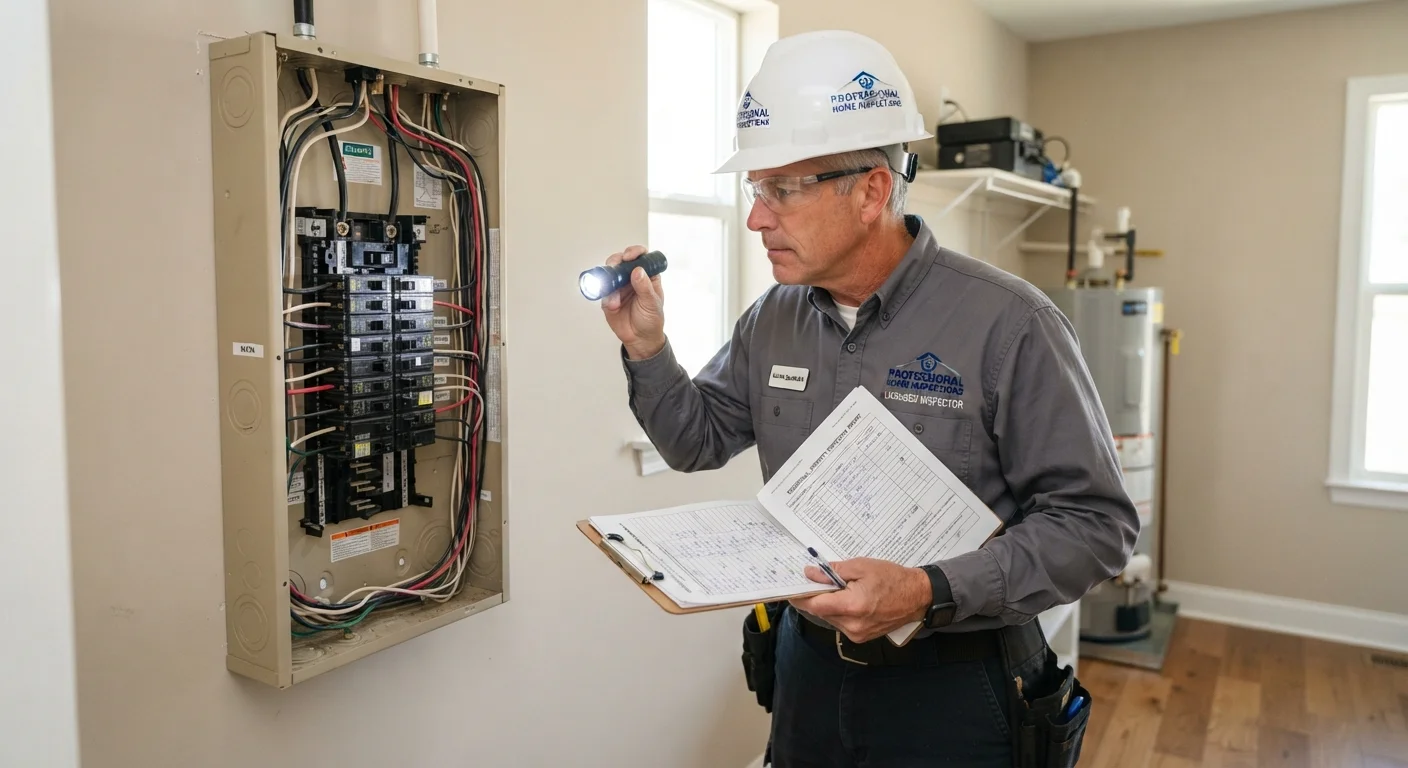
A licensed home inspector performs a systematic, visual evaluation of a property's accessible systems and components. This is not a pass/fail test — it is a condition report. The inspector documents what they observe at the time of the visit and flags items that are defective, near the end of their useful life, or potentially unsafe.
The inspector typically examines:
- Structural components: Foundation, framing, and load-bearing walls for cracks, settlement, or moisture damage
- Roofing: Shingles, flashing, gutters, and visible attic structure for wear, leaks, or improper installation
- Electrical system: Main panel, wiring type, outlets, and GFCI protection in wet areas
- Plumbing: Visible pipes, water heater, fixtures, and drainage for leaks, corrosion, or inadequate water pressure
- HVAC systems: Heating and cooling equipment, ductwork, and filters for age, function, and safety
- Insulation and ventilation: Attic and crawl space conditions that affect energy efficiency and moisture control
- Windows, doors, and exterior: Seals, grading, siding, and drainage around the home's perimeter
After the walkthrough, the inspector provides a written report — often with photographs — describing each finding by category and severity. Before closing day, reviewing this report carefully alongside your agent is essential. For context on terminology you may encounter, this plain-language homebuying glossary covers contingencies and related concepts.
Attend the Inspection in Person
Buyers who walk through the home with the inspector gain far more than those who simply read the final report. You can ask questions, see conditions firsthand, and understand the severity of findings in context. Most inspectors welcome and encourage buyer attendance. Plan to be present for the entire session.
Common Findings and What They Mean
No home inspection comes back empty. Even well-maintained properties have minor issues, and first-time buyers sometimes panic at a long report. Understanding the difference between routine maintenance items and genuine red flags is critical.
Routine findings — worn caulking around tubs, minor grading issues near the foundation, outdated smoke detectors — are common and inexpensive to address. Significant findings that warrant closer attention include:
- Active roof leaks or evidence of past water intrusion in the attic
- Older electrical panels known for safety concerns, such as Federal Pacific or Zinsco brands
- Galvanized or polybutylene piping that is prone to corrosion or failure
- Evidence of foundation movement — horizontal cracks, bowing walls, or significant differential settling
- HVAC systems that are non-functional or well past their expected service life
When the report surfaces structural, electrical, or water-related concerns, specialty inspections often follow — a licensed structural engineer, an electrician, or a plumbing camera scope may be recommended. The general inspector identifies; specialists diagnose and estimate. Understanding which warning signs deserve urgent follow-up is covered in detail in this guide to home warning signs.
~86%
Homebuyers who get a home inspection
According to the National Association of Realtors, the large majority of buyers complete a home inspection as part of their purchase process.
$300–$500
Typical cost of a general home inspection
Costs vary by region, property size, and inspector, but most general inspections in the US fall within this range, per industry estimates.
1 in 20
Homes with major defects found at inspection
Industry estimates suggest a meaningful share of inspections uncover significant defects requiring substantial repair, though exact figures vary by market and home age.
How Inspection Results Affect Your Purchase
Most US purchase contracts include an inspection contingency — a clause that gives buyers a defined window (commonly 7–14 days) to complete inspections and decide how to proceed. This contingency is a meaningful form of buyer protection. If unacceptable conditions are discovered and the parties cannot reach agreement, a buyer with an inspection contingency can typically exit the contract and recover their earnest money deposit.
Once the report is in hand, buyers have several options:
- Request repairs: Ask the seller to fix specific items before closing, verified by a licensed contractor.
- Negotiate a credit: Instead of repairs, request a reduction in purchase price or a closing cost credit equal to the estimated repair cost.
- Accept and proceed: If findings are minor or already priced into the offer, proceed without changes.
- Walk away: For serious defects that the seller will not address, exit the contract under the contingency.
In competitive markets, buyers sometimes waive the inspection contingency to make their offer more attractive. This is a significant financial risk — it does not prevent you from hiring an inspector, but it removes your contractual ability to negotiate based on findings. The decision to waive should never be made lightly. For a broader look at purchase risks, see why home purchases fall through and how to reduce that risk.
The home inspection is also one element of a larger due-diligence process. Before making any offer, this homebuyer due-diligence checklist outlines additional steps — from title history to HOA rules — that protect your interests before you commit.
Inspection vs. Appraisal: Know the Difference
A home inspection assesses the physical condition of the property for the buyer's benefit. A home appraisal, ordered by the lender, determines the property's market value to protect the lender's collateral. These are separate processes with different purposes and different professionals. If a home appraises below the agreed purchase price, that is an appraisal gap — a separate issue covered in our guide to appraisal gaps.