

Key Takeaways
Lease Agreement
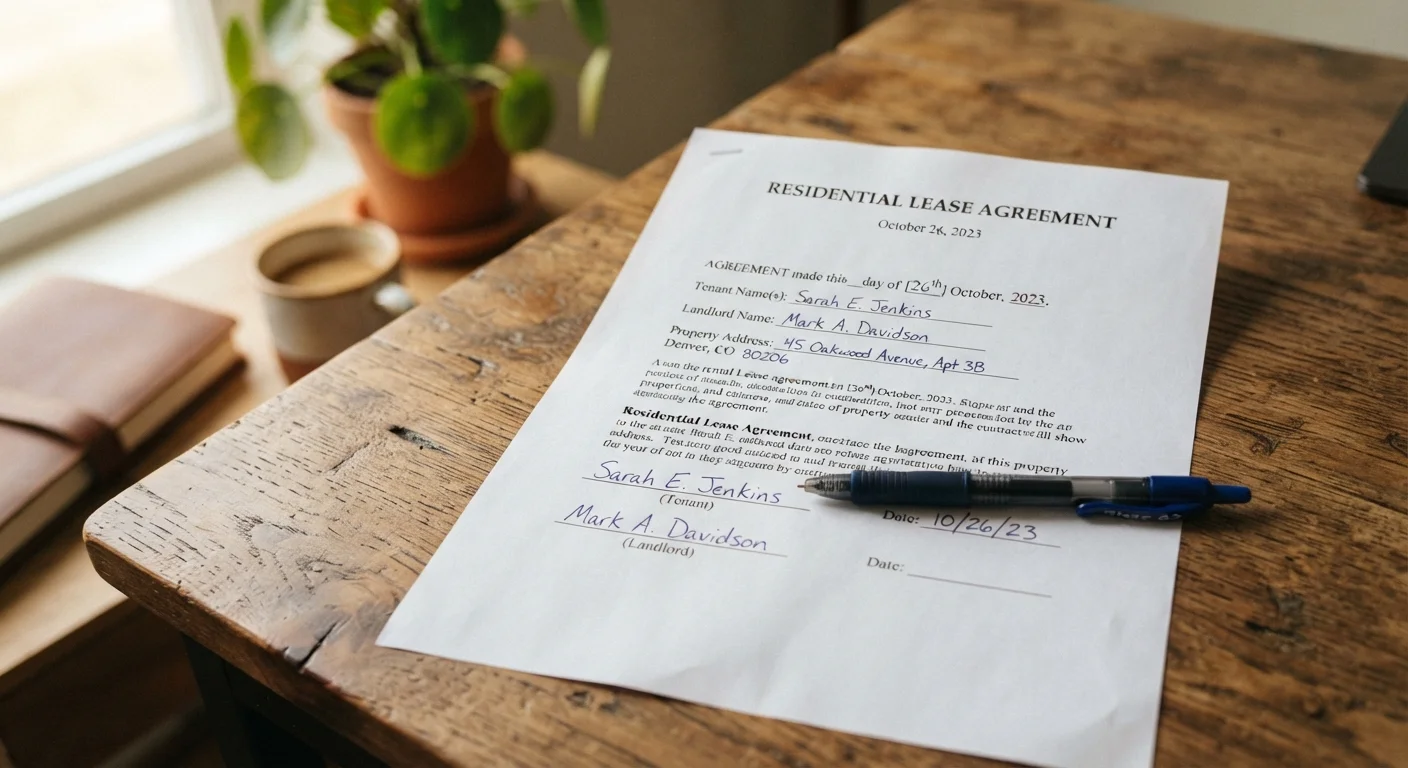
A lease agreement is a legally binding contract between a landlord and a tenant that spells out the terms and conditions of renting a property. It governs everything from how much rent is due and when, to what happens if either party breaks the rules. Once signed, both parties are obligated to follow its terms for the duration of the lease.
In most US states, leases longer than one year must be in writing to be enforceable under the Statute of Frauds. State and local landlord-tenant laws can override or supplement specific lease provisions.
The Core Clauses Every Renter Should Locate First
Before reading a lease word-for-word, find these foundational clauses — they define the basic framework of your tenancy and carry the most immediate financial consequences.
- Rent amount and due date: Confirm the exact monthly figure, when it is due (typically the 1st of the month), and any grace period before a late fee applies.
- Lease term: Whether it is a fixed-term (commonly 12 months) or month-to-month arrangement affects your flexibility and notice obligations. For a full comparison of these structures, see how month-to-month and fixed-term leases differ.
- Security deposit terms: Look for the deposit amount, what it can be used for, and the timeline and conditions for its return. Most states cap deposits and require itemized deductions in writing.
- Occupancy limits: The lease will specify who may live in the unit. Adding an unlisted occupant without landlord approval often constitutes a lease violation.
Read Every Page Before You Sign
Landlords are not required to walk you through every clause. Request a copy of the full lease before your signing appointment and review it without time pressure. If a clause is unclear, ask for clarification in writing — vague oral explanations are not legally binding.
Maintenance, Repairs, and the Habitability Standard
One of the most commonly misunderstood sections of any lease concerns who is responsible for what when something breaks. Federal and state law imposes a baseline that landlords cannot sign away: the implied warranty of habitability, which requires that the unit remain safe, weatherproof, and functional with working heat, plumbing, and electricity.
Beyond that legal floor, your lease will allocate specific maintenance duties. Tenants are typically responsible for minor upkeep — replacing light bulbs, keeping the unit clean, reporting damage promptly — while landlords handle structural repairs and major systems. Read this section carefully: some leases shift HVAC filter replacement or pest control costs onto the tenant.
State Law Often Sets the Floor
Lease clauses cannot override applicable state and local law. For example, some states require landlords to return security deposits within 14–30 days and provide itemized deductions — regardless of what the lease says. Check your state's landlord-tenant statute or contact a local housing authority to understand which tenant protections apply automatically in your jurisdiction.
Document the unit's condition with dated photos at move-in and move-out. This protects you if deposit deductions become disputed — a common friction point in landlord-tenant relationships.
Clauses That Catch Renters Off Guard
Several lease provisions routinely surprise tenants because they appear buried in dense language or seem innocuous at a glance.
89%
Renters who have faced a lease dispute
According to survey data compiled by legal aid organizations, the vast majority of renter disputes trace back to misunderstood or unread lease provisions — particularly around deposits and early termination.
30–60 days
Typical notice required to vacate
Most US leases require tenants to provide 30 to 60 days written notice before move-out; missing this window can result in liability for additional rent even after you have left the unit.
- Early termination: Most fixed-term leases impose financial penalties — often one to two months' rent — if you leave before the end date. Your legal options for exiting early are more limited than most renters assume. Understanding the consequences of early lease termination before signing is worthwhile.
- Automatic renewal: Some leases convert to a new fixed term automatically unless written notice is given — sometimes 60 days in advance. Missing the window can lock you into another year.
- Subletting restrictions: Most leases prohibit subletting without written landlord consent. This matters significantly if you rent with roommates — lease structures in shared rentals affect everyone named on the agreement.
- Rent increase provisions: Fixed-term leases generally lock the rent for the term, but some include clauses permitting increases under specific conditions. Month-to-month tenants are typically more exposed to increases with proper notice.
What You Can Actually Negotiate — and How
Tenants often assume a lease is a take-it-or-leave-it document. In practice, many terms — particularly with private landlords — are open to discussion before signing. Negotiable elements frequently include: small rent reductions in exchange for a longer term, permission to paint or make minor improvements, pet policy exceptions with an additional deposit, or parking and storage assignments.
Any modification must be documented in writing. Either amend the lease itself or execute a signed addendum that references the original lease — verbal assurances are difficult to enforce. For a broader orientation to the rental process before and after negotiation, the US Renter's Roadmap covers the full timeline from application to move-in.
“A lease is not a formality — it is the rulebook for your tenancy. Every clause you overlook on the way in is a potential problem on the way out.”
— Realty Editorial Team, Housing and rental guidance researchers
This article is for informational purposes only and does not constitute legal advice. Lease terms and landlord-tenant laws vary significantly by state and locality. Consult a qualified attorney or tenant's rights organization for guidance specific to your situation.