

Key Takeaways
Type 2 Diabetes
Type 2 diabetes is a chronic condition in which the body either doesn't produce enough insulin or doesn't use insulin effectively, causing blood sugar (glucose) levels to remain higher than normal. Unlike Type 1 diabetes, where the immune system destroys insulin-producing cells, Type 2 develops gradually and is often associated with lifestyle and genetic factors. It is the most common form of diabetes in the United States, affecting tens of millions of adults.
In Type 2 diabetes, cells develop insulin resistance — meaning they respond less efficiently to insulin signaling — which over time can exhaust the beta cells in the pancreas that produce insulin.
How Blood Sugar Regulation Works — and What Goes Wrong
Every time you eat, your digestive system breaks down carbohydrates into glucose, which enters the bloodstream. The pancreas responds by releasing insulin, a hormone that acts like a key — unlocking cells so they can absorb glucose for energy. In Type 2 diabetes, this system becomes impaired in one of two ways: cells stop responding well to insulin (called insulin resistance), or the pancreas gradually produces less insulin, or both.
The result is that glucose builds up in the blood rather than being absorbed by cells. Over time, chronically elevated blood sugar — a condition called hyperglycemia — can damage blood vessels and nerves throughout the body, which explains why Type 2 diabetes is associated with cardiovascular, kidney, eye, and nerve complications when left unmanaged.
Type 2 vs. Type 1: Key Distinction
Type 1 diabetes is an autoimmune condition in which the immune system destroys insulin-producing beta cells, typically appearing in childhood or young adulthood. Type 2 diabetes develops gradually and involves insulin resistance rather than immune destruction. The two conditions have different causes, management approaches, and trajectories — a healthcare provider can clarify which applies to an individual.
How a Diagnosis Is Made
Type 2 diabetes is diagnosed through blood tests ordered by a healthcare provider. The most common tests include:
- Fasting plasma glucose (FPG): Measures blood sugar after at least 8 hours without food. A result of 126 mg/dL or higher on two occasions indicates diabetes.
- Hemoglobin A1C: Reflects average blood sugar over approximately 2–3 months. An A1C of 6.5% or above meets the diagnostic threshold.
- Oral glucose tolerance test (OGTT): Blood sugar is measured before and two hours after drinking a glucose solution. A two-hour result of 200 mg/dL or higher indicates diabetes.
A single abnormal result is typically confirmed with a repeat test before a formal diagnosis is made, unless symptoms are clearly present. Symptoms may include increased thirst, frequent urination, fatigue, or blurred vision — though many people have no symptoms at all.
38 million
Americans living with diabetes
According to the CDC's National Diabetes Statistics Report, approximately 38 million Americans have diabetes, with Type 2 accounting for 90–95% of cases.
1 in 3
U.S. adults have prediabetes
The CDC estimates that about 98 million U.S. adults have prediabetes, and the majority are unaware of it.
6.5%
A1C diagnostic threshold for diabetes
An A1C result at or above 6.5% on two separate tests is one of the standard criteria used by clinicians to diagnose Type 2 diabetes, per American Diabetes Association guidelines.
What General Management Looks Like
Receiving a Type 2 diabetes diagnosis opens a management conversation — not an immediate crisis. Care is individualized and typically involves several elements working together:
- Dietary awareness: Understanding how different foods affect blood sugar. A registered dietitian can help develop an eating pattern suited to individual needs and preferences.
- Physical activity: Regular movement helps muscles use glucose more efficiently and can improve insulin sensitivity over time.
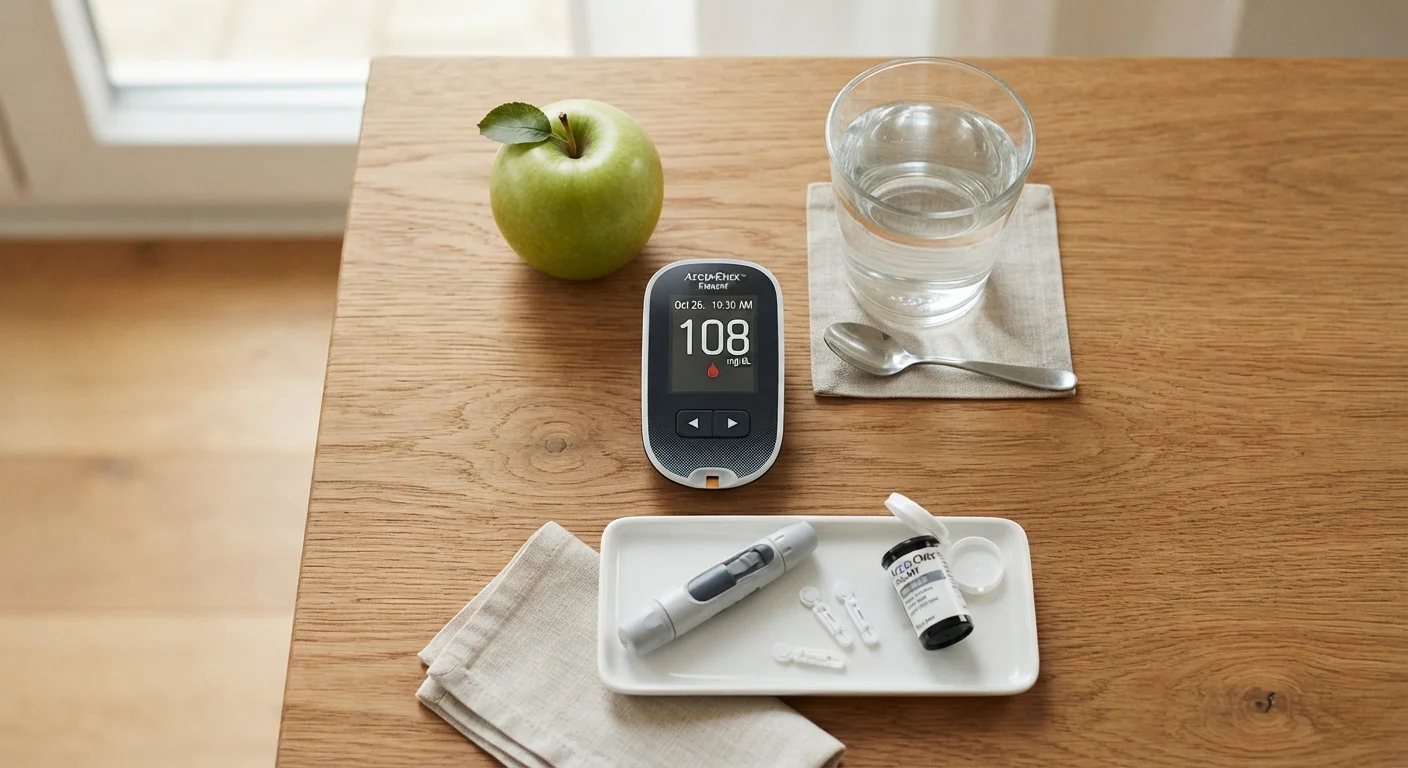
- Blood sugar monitoring: Depending on treatment, a provider may recommend checking blood glucose at home using a meter or continuous glucose monitor.
- Medications: Many people with Type 2 diabetes are prescribed oral medications — metformin being among the most commonly discussed — while others may eventually require injectable therapies, including insulin. Medication decisions are made by a healthcare provider.
Bring Questions to Every Appointment
A new diabetes diagnosis comes with a lot of information to process. Writing down questions before each healthcare visit — about blood sugar targets, medication side effects, or what to eat — helps ensure you get the most from your time with a provider. Diabetes educators and registered dietitians are also valuable members of a care team.
The goal of management is to keep blood sugar within a target range established with your provider, reducing the risk of long-term complications.
This article is for informational and educational purposes only and does not constitute medical advice. Always consult a qualified healthcare professional for diagnosis, treatment, and guidance specific to your health situation.