

Key Takeaways
Option A
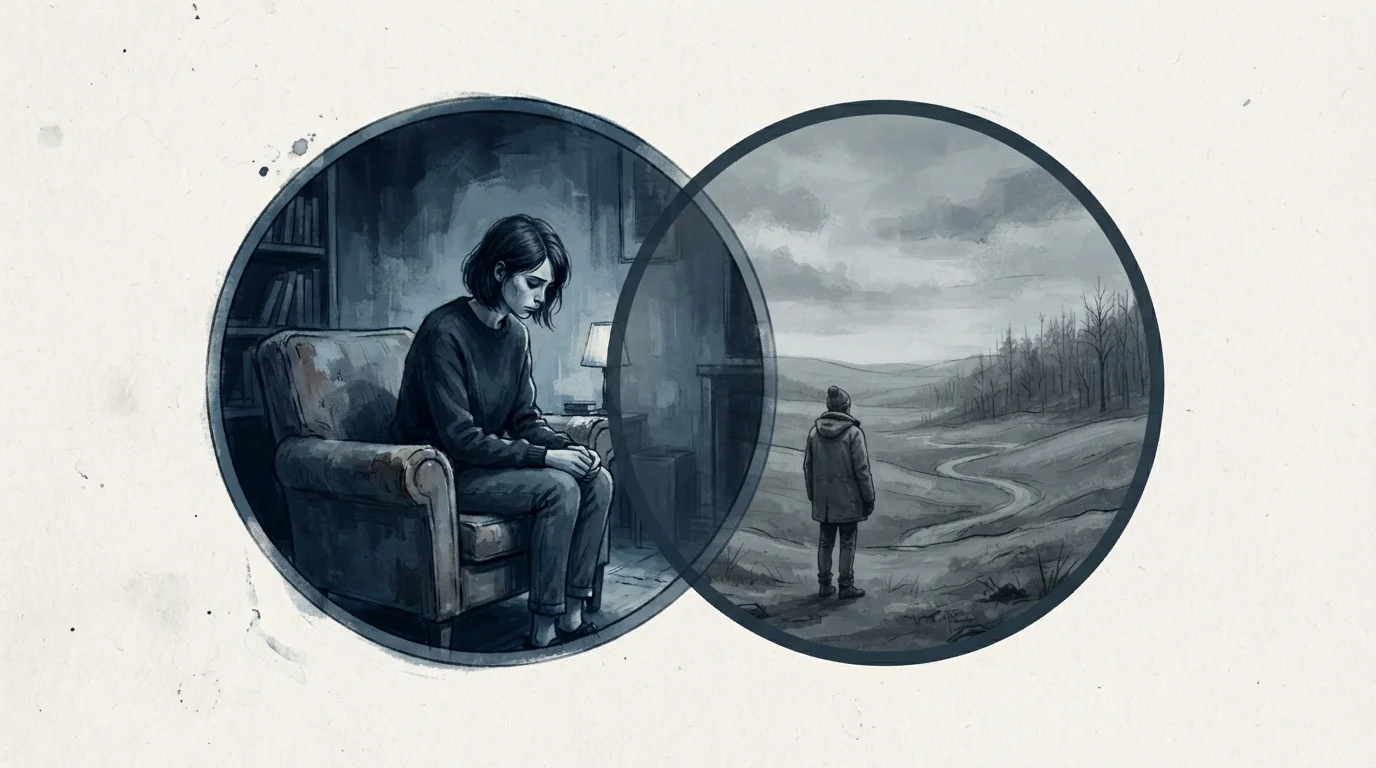
Major Depressive Disorder (MDD)
The acute, episodic form of clinical depression.
Best for: Understanding intense, time-limited depressive episodes that significantly impair daily function.
Option B
Persistent Depressive Disorder (PDD)
The chronic, lower-grade but long-lasting depressive condition.
Best for: Understanding long-term, milder depression that persists for years and shapes a person's baseline mood.
If you experience sudden, intense low moods that disrupt daily life for weeks at a time
Major Depressive Disorder (MDD)
MDD is characterized by discrete, severe episodes. Understanding this diagnosis can help you and a clinician target acute treatment strategies.
If you have felt persistently 'down' or empty for years but can still manage daily tasks
Persistent Depressive Disorder (PDD)
PDD's hallmark is chronicity rather than severity. Recognizing it as a distinct condition can lead to appropriate long-term treatment plans.
If you experience both prolonged low mood and occasional periods of much more intense depression
Major Depressive Disorder (MDD)
This pattern, called double depression, involves a PDD baseline with MDD episodes on top. A clinician must evaluate both diagnoses together.
What Each Diagnosis Actually Means
Both major depressive disorder (MDD) and persistent depressive disorder (PDD) are recognized clinical diagnoses defined in the Diagnostic and Statistical Manual of Mental Disorders, Fifth Edition (DSM-5), published by the American Psychiatric Association. Despite sharing symptoms, they differ fundamentally in duration, severity, and clinical course.
Major Depressive Disorder is episodic. A clinician diagnoses MDD when a person experiences at least five specific symptoms — including depressed mood or loss of interest or pleasure — nearly every day for a minimum of two weeks. These episodes represent a clear change from the person's prior functioning and are often severely impairing.
Persistent Depressive Disorder (formerly called dysthymia) is chronic. Diagnosis requires a depressed mood present for most of the day, more days than not, for at least two years in adults (one year in children and adolescents), along with at least two additional symptoms such as poor concentration, hopelessness, or disturbed sleep. The symptoms are generally less severe than a full MDD episode but far longer lasting.
| Criterion | Major Depressive Disorder (MDD) | Persistent Depressive Disorder (PDD) |
|---|---|---|
| Minimum duration for diagnosis | 2 weeks per episode | 2 years (adults) |
| Typical symptom severity | Moderate to severe | Mild to moderate |
| Pattern of symptoms | Episodic; may have symptom-free periods | Chronic; rarely symptom-free |
| Number of symptoms required | 5 or more (from DSM-5 criteria) | Depressed mood plus 2 additional symptoms |
| Impairment to daily function | Typically significant during episodes | Variable; often subtle but persistent |
| Can co-occur with the other? | Yes — called double depression | Yes — called double depression |
Key Differences Clinicians Look For
Because the two conditions share symptoms like fatigue, changes in sleep, and difficulty concentrating, distinguishing them requires careful clinical evaluation. Timing is the clearest separator: MDD is measured in weeks and episodes; PDD is measured in years.
Severity is another differentiator. During an MDD episode, symptoms are typically intense enough to significantly impair work, relationships, or self-care. In PDD, many people can still function — but they rarely feel well, and this becomes their perceived normal.
~7%
US adults with MDD in a given year
According to the National Institute of Mental Health (NIMH), major depressive disorder affects approximately 7% of U.S. adults annually.
~1.5%
US adults estimated to have PDD
NIMH data estimate that persistent depressive disorder affects roughly 1.5% of U.S. adults in a given year, though underdiagnosis is common.
~75%
PDD patients who may develop MDD
Clinical literature indicates that a substantial majority of people with PDD experience at least one major depressive episode over the course of their illness.
It is also worth noting that the two conditions are not mutually exclusive. A person living with PDD can experience superimposed MDD episodes — a pattern clinicians call double depression. Research published in clinical psychiatry literature suggests this combination carries a more complex prognosis and often requires comprehensive treatment planning.
This article is for general informational purposes only and does not constitute medical advice. If you are experiencing symptoms of depression, please consult a qualified mental health professional for a proper evaluation and individualized care.
Why the Distinction Matters for Treatment
Understanding the specific diagnosis shapes the treatment approach. While both conditions may involve psychotherapy, medication, or a combination, the goals and timelines differ.
For MDD, acute-phase treatment aims to achieve remission — the resolution of the current episode. Clinicians then focus on preventing recurrence. Evidence-based approaches include cognitive behavioral therapy (CBT), interpersonal therapy, and antidepressant medications where appropriate. Decisions about medication type, dosage, and duration are made by prescribing clinicians based on individual factors.
For PDD, treatment often focuses on long-term mood stabilization. Because PDD is chronic, patients may need extended therapy and, in some cases, ongoing pharmacological support. Research has suggested that a combination of psychotherapy and medication may be particularly effective for PDD, though individual responses vary.
A Note on Diagnosis and Self-Identification
Many people recognize symptoms of depression in themselves from articles, social media, or conversations — but formal diagnosis requires evaluation by a licensed clinician. Symptom overlap between MDD and PDD, and with other conditions such as bipolar disorder or anxiety disorders, makes clinical assessment essential. Only a qualified professional can account for your full history, rule out other causes, and recommend appropriate care.
If symptoms of either condition are affecting your quality of life, daily functioning, or relationships, speaking with a licensed mental health professional — such as a psychiatrist, psychologist, or licensed clinical social worker — is the appropriate next step. Self-diagnosis based on symptom lists alone is not a substitute for a thorough clinical assessment.