

Key Takeaways
Understanding the Four Car Seat Stages
Child passenger safety in the US follows a four-stage progression, each tied to a child's physical development rather than a fixed birthday.
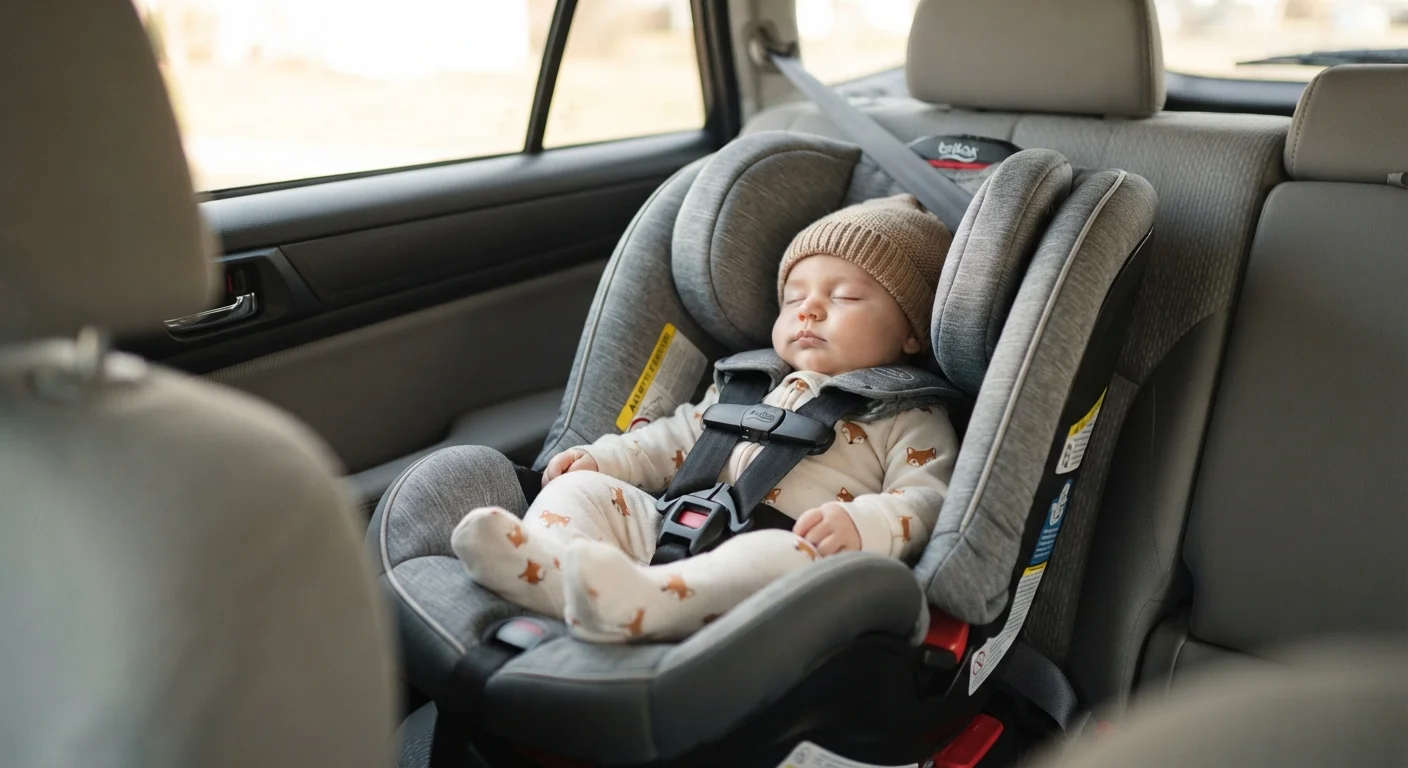
- Stage 1 - Rear-Facing: Infant and convertible seats used rear-facing distribute crash forces across the child's back, head, and neck. The American Academy of Pediatrics recommends children remain rear-facing until they reach the maximum height or weight allowed by their seat's manufacturer.
- Stage 2 - Forward-Facing with Harness: Once a child outgrows rear-facing limits, a forward-facing seat with a five-point harness is appropriate. Children should stay in this configuration as long as the seat's harness limits allow-typically up to 40-65 lbs depending on the seat.
- Stage 3 - Booster Seat: When a child exceeds the harness weight or height limit, a belt-positioning booster aligns the vehicle's seat belt correctly across the child's body. Boosters are generally used until the child is roughly 4 feet 9 inches tall.
- Stage 4 - Seat Belt Only: A child is ready for a seat belt alone when they can sit with their back flat against the seat, knees bent at the seat edge, and the lap belt resting low across the hips-not the abdomen.
These transitions are size-based milestones, not automatic age milestones. Rushing a child to the next stage too early significantly reduces the protection offered. For a broader look at vehicle safety habits, see the complete road safety guide for US drivers.
Common Installation and Usage Errors-and How to Avoid Them
Research consistently shows that a significant proportion of car seats on US roads are not used or installed correctly. The errors below are among the most frequently identified by certified child passenger safety technicians (CPSTs).
Moving a child to a forward-facing seat before they have outgrown the rear-facing limits of their current seat.
Why it happens: Parents often assume age determines the transition, or feel social pressure when other children of the same age have moved forward-facing.
Installing the seat with too much movement-more than one inch of side-to-side or forward-and-back play at the belt path.
Why it happens: Vehicle seat cushions are soft and uneven, making it difficult to judge how firmly a seat is anchored without testing it deliberately.
Positioning the harness chest clip on the abdomen rather than at armpit level.
Why it happens: The clip is often moved during daily in-and-out routines, and caregivers may not realize it has slipped or may not know the correct landmark.
Using the LATCH system and the vehicle seat belt simultaneously to anchor the car seat, or exceeding the LATCH system's weight limit.
Why it happens: Caregivers assume that combining both methods makes the seat more secure, and LATCH weight limits are often not prominently displayed.
Dressing a child in a thick winter coat before buckling them into the harness.
Why it happens: Parents want to keep children warm, and undressing for a car ride feels inconvenient, especially in cold weather.
Transitioning a child to a booster seat before they have outgrown the forward-facing harness limits of their convertible or combination seat.
Why it happens: Boosters feel like a milestone and children often ask for them once friends make the switch. Many parents are unaware that harness limits extend well beyond what they expect.
~46%
Car seats used incorrectly
NHTSA data has consistently found that close to half of child restraints observed in US studies are misused in some way.
43%
Reduction in fatal injury risk for toddlers
NHTSA estimates that child safety seats reduce the risk of fatal injury by approximately 43% for toddlers (ages 1-4) compared to seat belts alone.
71%
Reduction in fatal injury risk for infants
For infants under age one, NHTSA estimates car seats reduce the risk of fatal injury by roughly 71% compared to no restraint.
If you're new to vehicle ownership and navigating these requirements for the first time, the first-car ownership guide covers broader vehicle safety responsibilities worth knowing alongside car seat rules.
Never Use a Secondhand Seat Without Full History
Car seats that have been in a moderate to severe crash may have structural damage that is invisible to the eye. Most manufacturers recommend retiring a seat after any crash. Before accepting or purchasing a secondhand seat, verify its full crash history, confirm it has not been recalled, and check the expiration date printed on the seat shell. Using a compromised seat may provide no meaningful protection in a collision.
A free car seat inspection by a certified technician is one of the most effective steps a caregiver can take. Find local inspection stations through the National Highway Traffic Safety Administration (NHTSA) SaferCar resources or Safe Kids Worldwide's locator tool.
Aftermarket Accessories Can Void Safety Certification
Seat inserts, head supports, strap covers, and other add-ons not included with the original seat by the manufacturer have not been crash-tested with that seat. Adding them may affect harness fit or energy absorption in ways that are not predictable. Use only accessories that shipped with the seat or are explicitly approved by the seat's manufacturer.