

Key Takeaways
Why the First Few Minutes Matter Most
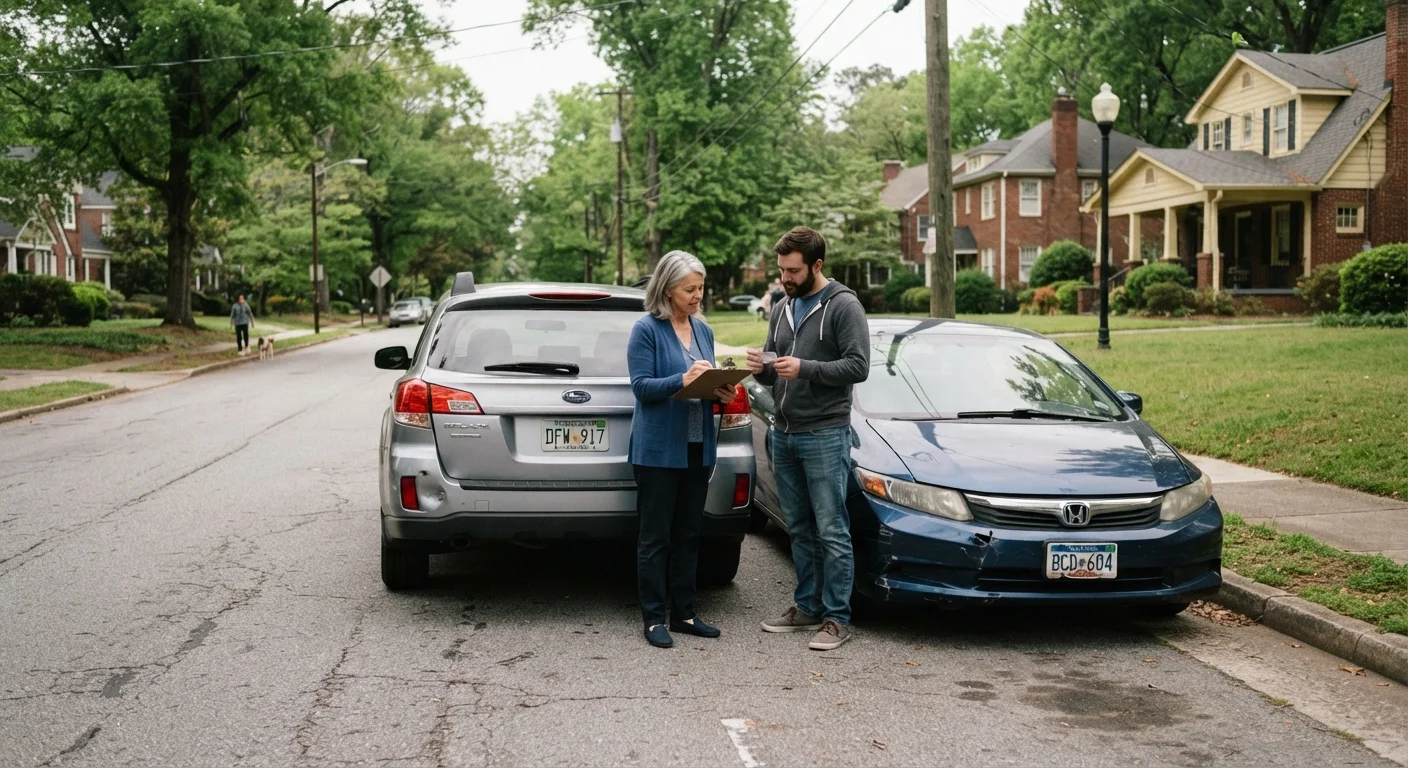
A minor collision - often called a fender bender - can feel overwhelming even when the damage looks trivial. The decisions you make in the first few minutes directly affect your legal standing, your insurance claim, and your ability to recover repair costs. Mishandling the scene, such as failing to document damage or making offhand admissions of fault, can complicate an otherwise straightforward claim.
This guide walks you through exactly what to do, in order, so you can protect yourself without making the situation worse. For a broader look at handling hazards on the road, see our complete road safety guide for US drivers.
What you will need
Step-by-Step: What to Do After a Minor Collision
Follow these steps in sequence. Do not skip ahead - the order matters for both safety and documentation.
Move to a Safe Location
If the vehicles are drivable and it is safe to do so, pull off the roadway - onto the shoulder, into a parking lot, or a nearby side street. Turn on your hazard lights immediately. Staying in an active traffic lane after a collision creates serious secondary accident risk for everyone involved.
Check for Injuries
Ask everyone involved - including your own passengers - whether they are injured. Do not assume that because the impact was minor, no one was hurt. Some injuries, such as whiplash, may not produce immediate symptoms. Call 911 without hesitation if anyone reports pain, dizziness, or visible injury.
Call the Police if Required
State laws vary on when a police report is mandatory. Many states require one when damage exceeds a certain dollar threshold (commonly $500-$1,000) or when there is any injury. Even where not legally required, having an official report is valuable for insurance purposes. Call 911 or the non-emergency police line and request an officer come to the scene.
Document the Scene Thoroughly
Before moving any vehicles (if possible), take photographs of:
- All vehicles involved, showing damage and their positions on the road
- License plates of all vehicles
- The surrounding area, including road signs, traffic signals, and skid marks
- Any visible injuries (with consent where appropriate)
- Weather and road conditions
More documentation is always better. These photos are your primary evidence if the other party disputes the facts later.
Exchange Information With the Other Driver
Collect and share the following with every involved driver:
- Full legal name and contact information
- Driver's license number and issuing state
- Insurance company name and policy number
- Vehicle make, model, year, and license plate
- Vehicle registration information
If there are witnesses, politely ask for their contact details as well. Do not photograph another person's ID without their consent; write the information down instead.
Avoid Admitting Fault
Do not say "I'm sorry," "It was my fault," or offer to pay the other driver out of pocket to avoid involving insurance. Fault is determined by insurers and, when disputed, by law - not by informal statements at the scene. Admissions made under stress can be used against you even if the full picture later shows shared or disputed liability.
Note that emotional tension after a collision can escalate quickly. If the other driver becomes hostile, stay calm and keep your distance. Our article on recognizing and avoiding road rage offers practical guidance on de-escalation.
Do Not Settle Informally at the Scene
Agreeing to exchange cash or skip insurance entirely may seem easier in the moment, but it leaves you unprotected if the other driver later claims greater damage or injury. Hidden structural damage is common even in low-speed impacts and may cost far more than it appears. Always involve your insurer so the incident is properly documented.
Filing Your Claim and What Comes Next
Once you have left the scene safely, contact your insurance company as soon as practical - ideally the same day. Provide the photos, the police report number (if applicable), and the other party's information. Most insurers have 24-hour claims lines and mobile apps that allow you to submit photos directly.
Be factual and concise when describing the incident to your insurer. Do not speculate about fault or injuries; let the adjuster gather that information. For a detailed walkthrough of what happens after you file, our guide on what to expect at each stage of a claim covers the full process from first contact to settlement.
Keep a Simple Emergency Card in Your Glove Box
Write your insurer's claims number, your policy number, and the steps in this guide on an index card and store it with your registration. In a stressful moment, having that card means you won't have to rely on memory or a phone signal to know what to do next.