

Key Takeaways
Honda Engineering Philosophy
Honda's approach to building vehicles centers on mechanical simplicity, tight manufacturing tolerances, and continuous improvement - a set of principles that prioritize durability and low ownership costs over flashy features. Rather than chasing cutting-edge complexity, Honda engineers tend to refine proven systems until they perform exceptionally well. This conservative but disciplined methodology is widely credited as the backbone of the brand's reliability reputation in the US market.
Honda applies a concept called 'Man Maximum, Machine Minimum' - maximizing driver and passenger utility while minimizing unnecessary mechanical complexity that could introduce failure points.
The Roots of Honda's Reliability Reputation
Honda's standing as one of the most dependable automakers in the United States wasn't built through marketing - it was built on the road. Since the brand entered the US market in the 1970s, Honda vehicles have consistently ranked near the top of independent reliability studies. The reasons go deeper than any single component or technology; they reflect a coherent engineering culture that has remained remarkably consistent across decades.
At the core of that culture is a preference for refinement over novelty. Honda engineers tend to iterate on systems that already work rather than introducing untested complexity. When a technology is adopted, it typically undergoes extensive validation before reaching production. That discipline means fewer surprises for the drivers who depend on these vehicles every day.
“The power of dreams is what drives us - but it's the discipline of engineering that makes those dreams last on the road.”
— Soichiro Honda, Founder, Honda Motor Co.
Simplicity as a Design Principle
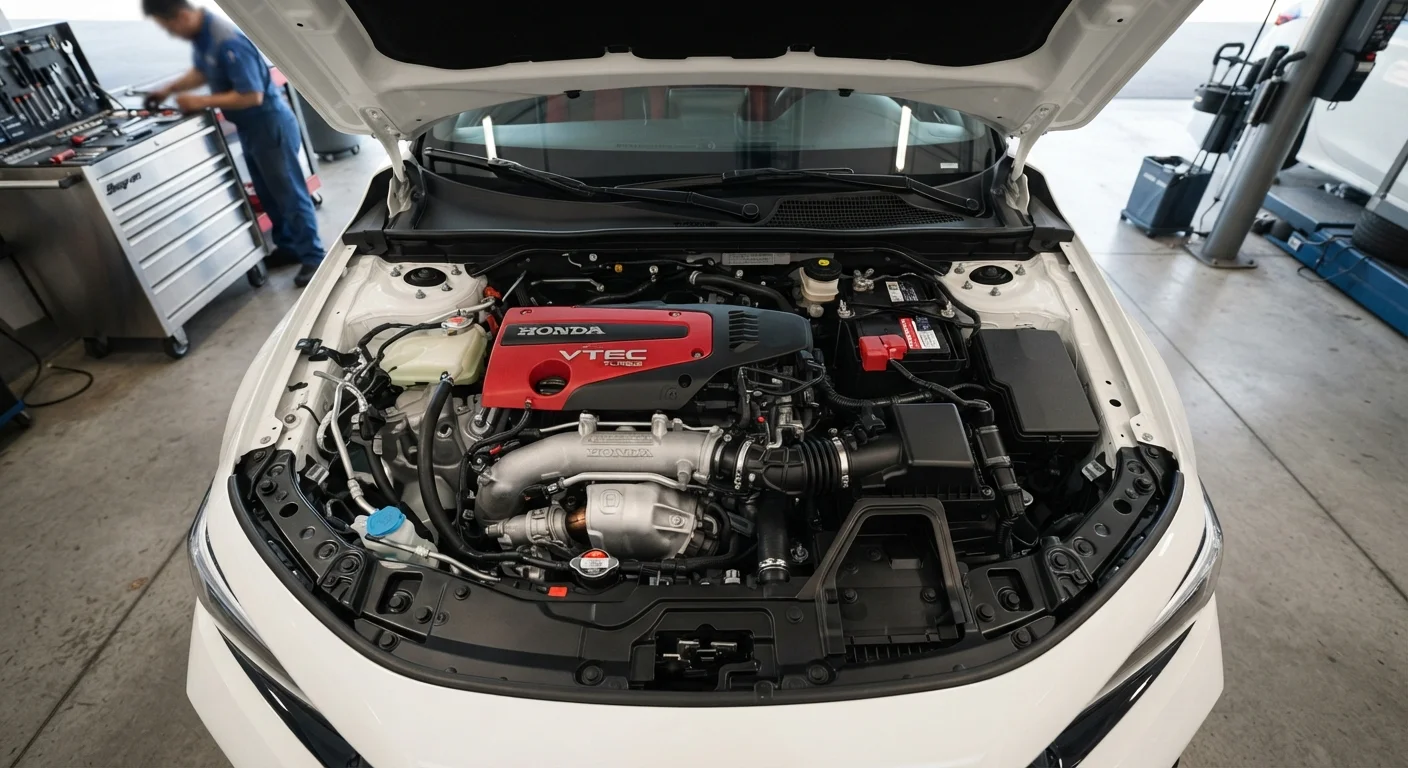
One of the most consistent threads in Honda's engineering history is the deliberate avoidance of unnecessary complexity. Fewer moving parts means fewer opportunities for something to break. Honda's four-cylinder engines, for example, have long been praised for their straightforward architecture - easy to manufacture consistently and relatively straightforward for mechanics to service.
This philosophy extends to how Honda approaches new technology adoption. Features that add complexity without proportional benefit tend to be introduced cautiously. The result is a vehicle lineup where most systems have a track record of dependability rather than being early-generation experiments.
Look for Simplicity When Evaluating Any Vehicle
When comparing vehicles, consider how complex the drivetrain and supporting systems are. Vehicles with fewer electronically controlled components and well-established mechanical architectures tend to have lower long-term repair costs. Honda's track record is partly a product of this design discipline, which you can look for in any brand you consider.
Manufacturing Standards and Quality Control
Reliability is not just an engineering question - it is also a manufacturing question. Honda's production facilities, including its long-running plants in Ohio and Alabama, operate under strict quality control protocols. Tight tolerances during assembly mean that two Honda Civics rolling off the line are far more alike than chance would allow, reducing the variation that often causes early failures in mass-produced vehicles.
Honda also applies what it calls kaizen - a Japanese term for continuous incremental improvement - to its production processes. Problems identified in the field are systematically fed back into manufacturing and design refinement, creating a feedback loop that gradually reduces failure rates over successive model years.
Top 5
Honda's typical reliability ranking among all brands
Honda has consistently appeared in the top tier of Consumer Reports' annual brand reliability rankings over multiple years.
200,000+
Miles many Honda owners report reaching
Owner surveys and used vehicle data indicate a significant share of well-maintained Hondas remain in service well past 200,000 miles.
1982
Year Honda's Marysville, Ohio plant opened
Honda's Marysville Assembly Plant was one of the first Japanese automaker facilities built in the US, and has produced millions of vehicles under strict quality standards.
What Owners Can Do to Sustain Honda's Built-In Advantages
Honda's engineering provides a strong foundation, but long-term reliability is always a partnership between the automaker and the owner. Following the maintenance schedule outlined in the owner's manual - oil changes, coolant flushes, timing belt or chain inspections, and transmission service - is the single most effective thing a driver can do to preserve a Honda's longevity.
Oil quality is especially important for Honda engines equipped with VTEC, since the variable valve timing mechanism relies on oil pressure to function correctly. Using the viscosity grade specified by Honda and changing oil at recommended intervals keeps that system operating as intended. Neglecting basic maintenance is the most common reason a well-engineered vehicle fails prematurely, regardless of brand.
This article is for general informational purposes only. Always consult a qualified mechanic for maintenance decisions specific to your vehicle.